


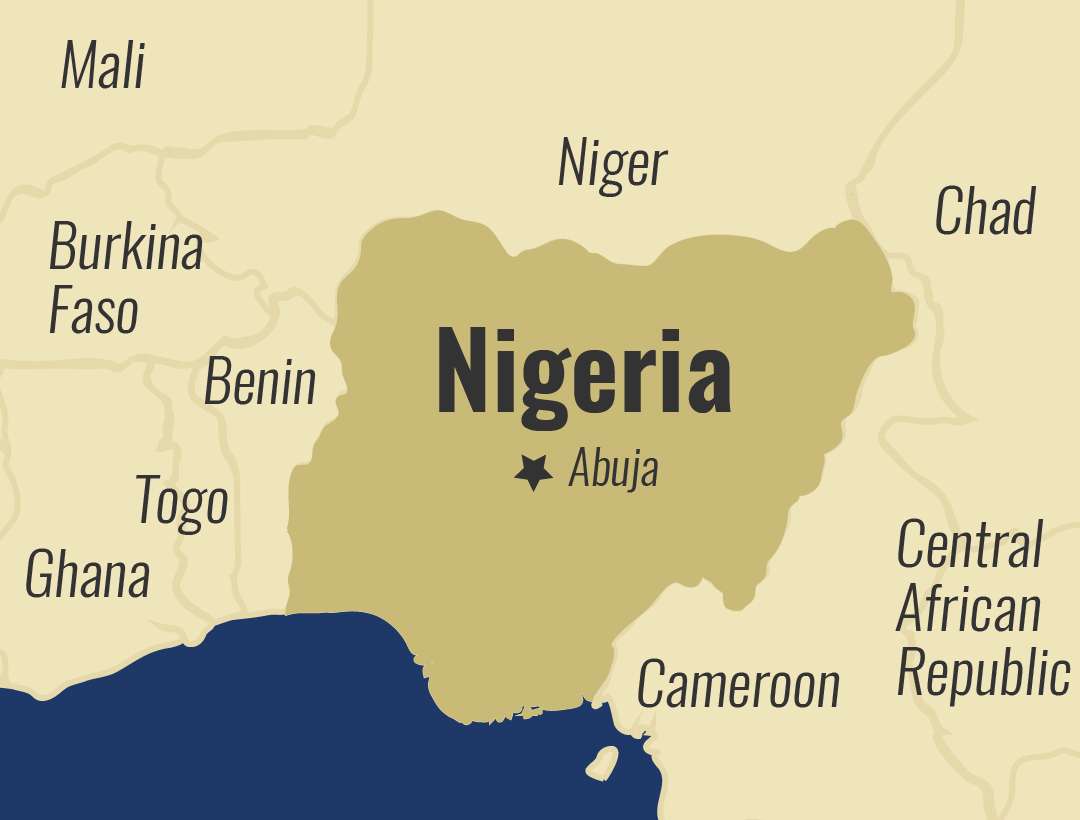
Nigeria’s trade with other African countries rose by 21% in 2025, reaching $9.02 billion as businesses increasingly capitalised on opportunities created by the African Continental Free Trade Area (AfCFTA), according to the latest African Trade Report 2026 released by Afreximbank.
The report shows that Nigeria’s intra-African trade increased from $7.47 billion in 2024, reflecting growing regional commercial integration and the country’s efforts to expand exports within the continent. The performance further strengthens Nigeria’s position as one of Africa’s leading trading nations under the AfCFTA framework.
Afreximbank attributed the growth to Nigeria’s continued implementation of policies designed to improve market access, lower trade barriers and encourage exporters to diversify beyond traditional overseas markets. The agreement is enabling Nigerian businesses to access a larger consumer market while benefiting from preferential tariff arrangements across participating African countries.
Although crude oil remained Nigeria’s largest export to African markets during the year, the report noted steady growth in non-oil exports, signalling progress in the country’s economic diversification agenda. Products gaining greater regional demand include chemicals, plastics, rubber products, processed agricultural goods, food products, urea and cement.
The expansion of manufactured and value-added exports highlights the increasing role of Nigeria’s industrial and agricultural sectors in regional trade, supporting government efforts to reduce reliance on crude oil exports while strengthening domestic production.

A major milestone identified in the report was the gazetting of Nigeria’s Provisional Schedule of Tariff Concessions in April 2025. The measure enabled eligible Nigerian goods to qualify for reduced tariffs under the AfCFTA, making them more competitive across African markets while also allowing reciprocal preferential access for imports from participating member states.
The report also pointed to improvements in regional logistics as a contributing factor to stronger trade performance. A newly introduced dedicated air cargo corridor linking Nigeria with East and Southern Africa has helped reduce transportation costs, shorten delivery times and improve the efficiency of cross-border trade for exporters.
Analysts say improved logistics are particularly important for manufacturers and exporters of agricultural produce and processed goods, where faster delivery can enhance product quality and competitiveness in regional markets.
The AfCFTA, which officially commenced trading in 2021, is designed to create the world’s largest free trade area by connecting 54 African countries into a single market for goods and services. The agreement aims to increase intra-African trade, boost industrialisation, strengthen regional value chains and promote economic development across the continent.
For Nigeria, expanding trade within Africa has become a key component of its broader strategy to diversify export earnings, support local manufacturing and create new opportunities for businesses seeking access to rapidly growing regional markets.
As implementation of the AfCFTA continues to advance, Afreximbank expects stronger regional integration, improved infrastructure and further trade facilitation measures to support sustained growth in intra-African commerce, positioning Nigeria to play an increasingly important role in the continent’s evolving trade landscape.