


DP World has launched a new integrated logistics corridor connecting Brazil with high-growth markets across Africa, strengthening trade flows between Latin America and the African continent.
Unveiled at Intermodal South America 2026 in São Paulo, the Brazil–Africa Link creates a seamless end-to-end logistics solution connecting the Port of Santos in Brazil with DP World operations in Angola, Mozambique and South Africa.
The corridor is built on a “one-stop shop” logistics model that integrates ocean freight, inland transport, warehousing and distribution under a single service provider. It provides access to three port terminals, 52 warehouses and a fleet of over 4,250 vehicles, improving supply chain visibility, efficiency and reliability for global traders.
The new trade route is designed to support key Brazilian export sectors, including agricultural commodities, animal proteins and consumer goods, while improving access to African markets and reducing logistical complexity for exporters.
According to DP World Brazil CEO Fabio Siccherino, the corridor simplifies trade for exporters by integrating the full logistics chain from origin to final delivery, enabling businesses to reduce costs and expand into new markets.

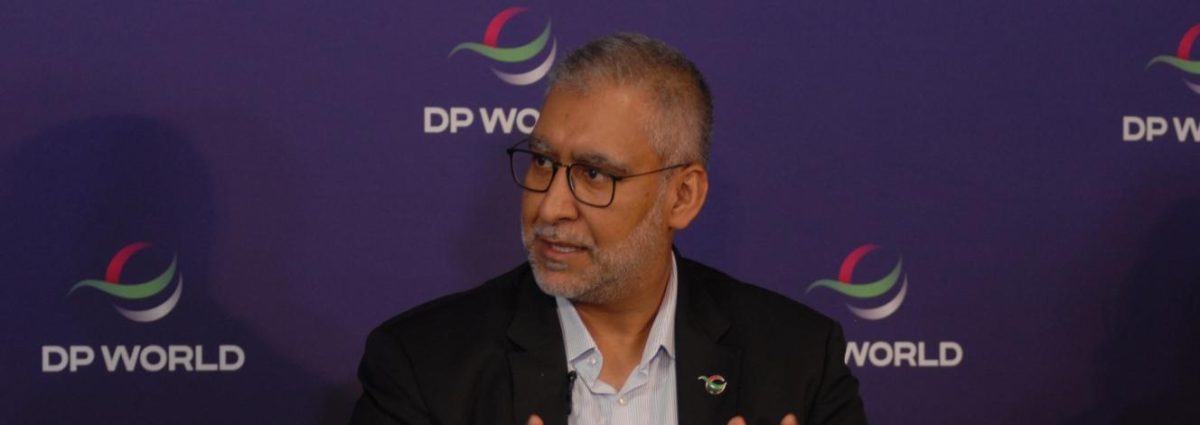
Mohammed Akoojee said the initiative represents a major step in strengthening economic ties between Latin America and Africa, leveraging DP World’s investments in ports, free zones and digital logistics infrastructure across the continent to support trade growth and job creation.
The launch builds on DP World’s expanding logistics footprint in Brazil, anchored by its operations at the Port of Santos, one of the country’s key maritime gateways. The terminal handled 1.3 million TEUs in 2025 and is undergoing major expansion supported by investments exceeding R$2 billion.
Future upgrades include quay expansion, new berthing infrastructure and a dedicated grains and fertilisers terminal developed in partnership with Rumo, with capacity projected to reach 12.5 million tonnes annually. Additional investments are expected to raise container handling capacity to 2.1 million TEUs by 2028.
Together, these developments strengthen the infrastructure supporting the Brazil–Africa Link, enhancing global trade efficiency and reinforcing South–South trade corridors between emerging markets.