


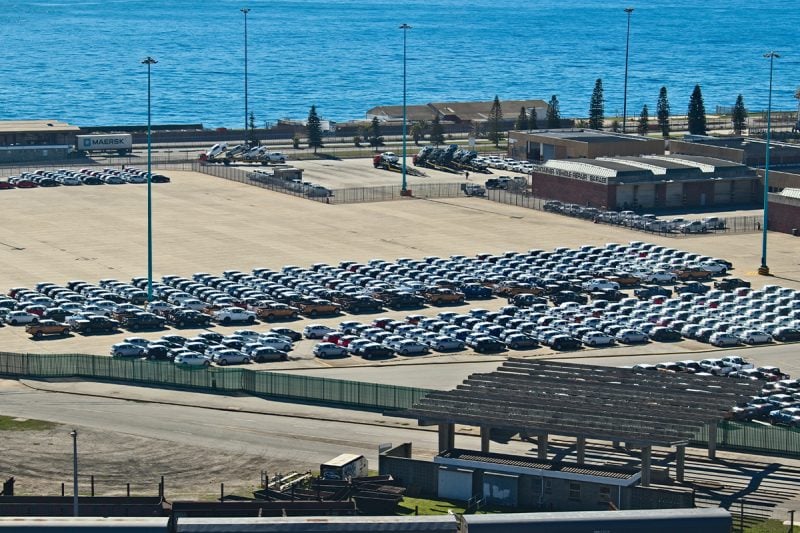
South Africa continues strengthening its position as one of Africa’s leading automotive export hubs, with major international vehicle manufacturers driving billions of rand in exports to global markets.
According to the latest automotive export data, brands including Mercedes-Benz, BMW, Toyota, Ford Motor Company and Volkswagen Group remain among the largest exporters of vehicles produced in South Africa.
The country’s automotive manufacturing sector has become a major contributor to industrial output, employment and foreign exchange earnings, supported by strong global demand for locally assembled passenger vehicles and bakkies.
Mercedes-Benz leads export volumes
Mercedes-Benz South Africa remains one of the country’s top vehicle exporters through its production facility in East London.

The company exports large volumes of C-Class models to international markets, particularly Europe and other global destinations.
South Africa’s automotive export industry has benefited from long-standing investments by multinational manufacturers using the country as a strategic production base for both developed and emerging markets.
Toyota and Ford strengthen bakkie exports
Toyota South Africa Motors continues to export significant volumes of the Hilux and Fortuner models assembled in Durban.
Meanwhile, Ford Motor Company of Southern Africa has expanded exports of the Ranger pickup produced at its Silverton plant in Pretoria.
Global demand for South African-built pickup vehicles has remained relatively strong, particularly across Europe, Africa and parts of Asia-Pacific.
Automotive exports remain critical to South Africa’s economy
The automotive sector remains one of South Africa’s largest manufacturing industries and among the country’s leading export earners.
Vehicle exports support thousands of jobs across manufacturing plants, component suppliers, logistics providers and port operations.
The industry also plays a central role in South Africa’s industrialisation strategy, with government incentive programmes helping attract continued foreign direct investment into automotive production facilities.
Logistics and infrastructure remain major concerns
Despite strong export performance, the sector continues facing growing pressure from logistics bottlenecks, port congestion, rail inefficiencies and rising operational costs.
Industry stakeholders have repeatedly warned that infrastructure constraints at ports and freight corridors could undermine South Africa’s competitiveness as a global vehicle export base if not addressed.
Automotive manufacturers are also increasingly navigating global shifts toward electric vehicles, changing trade policies and evolving supply-chain requirements.
Even so, South Africa remains one of the most important automotive manufacturing and export centres on the African continent, with global brands continuing to rely on local production facilities to serve international markets.