


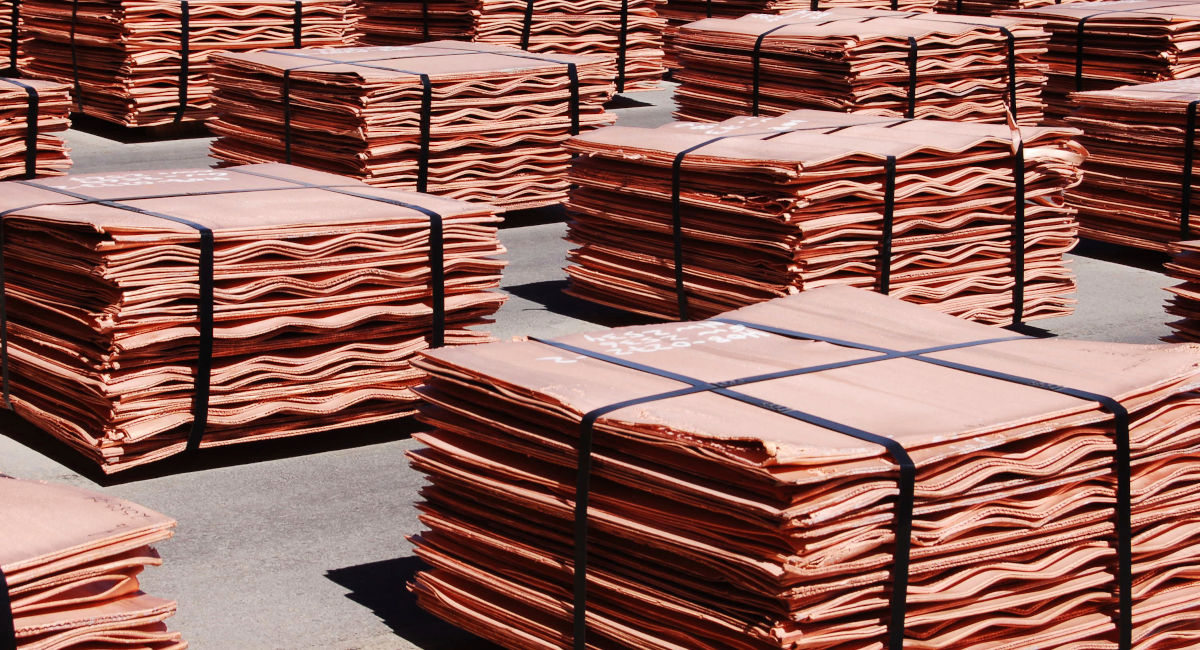
Zambia is stepping up efforts to capture greater value from its mineral resources by restricting exports of unrefined copper and encouraging international investors to establish local processing and manufacturing facilities.
The new policy forms part of the country’s broader industrialisation strategy aimed at transforming Zambia from a supplier of raw minerals into a regional manufacturing hub for copper-based products.
Government officials say future investment in Zambia’s mining sector will increasingly be linked to commitments to process minerals locally before export.
Value Addition Takes Centre Stage
As Africa’s second-largest copper producer, Zambia supplies millions of tonnes of copper to global markets each year, with much of the metal traditionally exported in raw or semi-processed form.

Authorities now want more of that copper converted domestically into higher-value products such as electrical cables, industrial wiring, components and other finished goods.
The government is currently engaging international companies, including several Chinese manufacturers, on plans to establish production facilities that will strengthen Zambia’s downstream manufacturing industry.
Officials believe expanding local processing capacity will create skilled employment, increase export earnings and reduce the country’s dependence on raw commodity exports.
Foreign Investors Face New Expectations
The policy signals a shift in Zambia’s investment approach, with mining companies and industrial investors expected to contribute more directly to domestic industrial development.
Chinese firms, which have invested heavily in Zambia’s mining sector over the past two decades, are among those being encouraged to establish processing and manufacturing operations alongside mineral extraction activities.
Government believes integrating mining with manufacturing will strengthen local supply chains while increasing the economic benefits generated from the country’s abundant copper reserves.
The strategy also aligns with Zambia’s ambitions to become an important supplier of products used in power infrastructure, renewable energy projects and electric vehicle manufacturing.
Africa Expands Beneficiation Drive
Zambia’s decision reflects a growing trend across Africa as governments seek to retain more value from their natural resources through beneficiation and industrialisation.
Several mineral-rich countries are introducing policies that promote local processing before export, aiming to diversify economies, create employment and attract manufacturing investment.
The strategy extends beyond mining, with a number of African countries implementing similar approaches in agricultural commodities by encouraging domestic processing before products enter international markets.
Analysts say these policies are designed to strengthen regional value chains while reducing the continent’s long-standing dependence on exporting raw materials.
Building A Competitive Industrial Economy
Demand for copper continues to grow rapidly as global investment accelerates in renewable energy, electric vehicles, electricity transmission networks and digital infrastructure.
By expanding local manufacturing, Zambia aims to position itself as a supplier of finished industrial products rather than simply exporting raw copper to overseas factories.
Government believes the strategy will generate long-term economic benefits through increased industrial production, higher export revenues and stronger participation in global manufacturing supply chains.
As countries compete for secure supplies of critical minerals, Zambia’s renewed focus on value addition could significantly reshape the future of its mining and export industries.