


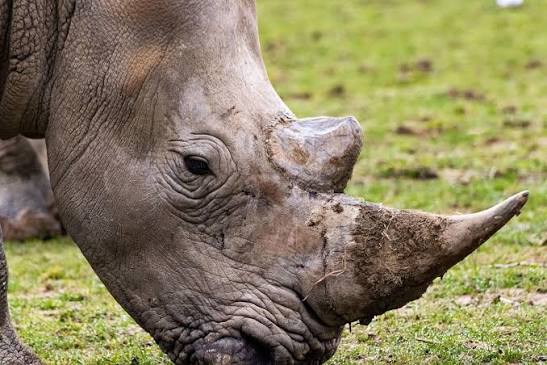
Court Dismisses Government Appeal
The Northern Cape High Court has dismissed a government appeal, clearing the way for private rhino owners to export legally harvested rhino horn in a landmark ruling that could reshape South Africa’s wildlife conservation and rhino breeding industry.
The case was brought by Wicus Diedericks, a private rhino breeder who owns approximately 450 rhinos. Diedericks argued that controlled international sales of ethically harvested rhino horn would provide vital funding for conservation, security and breeding programmes.
Private Conservationists Welcome the Ruling
Following the judgment, Diedericks described the decision as a major victory for private conservation.

“It’s a historic decision that validates the rights of private conservationists and breeding facilities to fund their critical, high-cost protection efforts through the legal international trade of ethically trimmed horns.”
Private breeders maintain that rhino horn can be harvested without harming the animals, allowing conservation programmes to generate revenue while preserving breeding populations.
Debate Over Legal Rhino Horn Trade Continues
The ruling runs counter to the South African government’s long-standing position that legal international trade could stimulate demand for rhino horn and create opportunities for criminal syndicates to launder illegally obtained horns.
Conservation authorities have argued that opening any legal export market could complicate anti-poaching efforts and increase pressure on wild rhino populations.
Private breeders, however, contend that regulated trade would generate sustainable funding for security, veterinary care and habitat management while creating stronger incentives to conserve rhinos.
South Africa Remains Home to Most of the World’s White Rhinos
South Africa is home to an estimated 80% of the world’s white rhino population, with approximately 16,000 animals. Despite extensive conservation efforts, poaching has significantly reduced rhino numbers over the past 15 years.
According to reports, around 2,000 privately owned rhinos are currently affected by uncertainty surrounding the legal trade of rhino horn, highlighting the significant role private conservation plays in protecting the species.
Private rhino owners say maintaining these animals is increasingly expensive, with security, veterinary care and habitat management costing thousands of dollars per rhino each year.
Conservation And Economic Interests Collide
Supporters of legal trade argue that selling horn harvested from live rhinos could provide much-needed income to finance anti-poaching operations and reduce the financial burden on private conservationists.
Opponents caution that distinguishing legally sourced horn from illegally obtained products remains a significant enforcement challenge, potentially undermining decades of international efforts to combat wildlife trafficking.
The debate reflects broader questions about balancing conservation objectives with sustainable financing models for endangered species protection.
Further Legal Challenges Possible
The ruling may not be the final chapter in the case.
South Africa’s Department of Forestry, Fisheries and the Environment is expected to consider appealing the decision to a higher court. The department had not commented publicly following the judgment.
The case also raises questions about how the ruling aligns with international wildlife trade regulations under the Convention on International Trade in Endangered Species of Wild Fauna and Flora (CITES), which continues to restrict international commercial trade in rhino horn.
If upheld, the judgment could have significant implications for private wildlife conservation, rhino breeding operations and future policy discussions surrounding sustainable conservation financing in South Africa.