


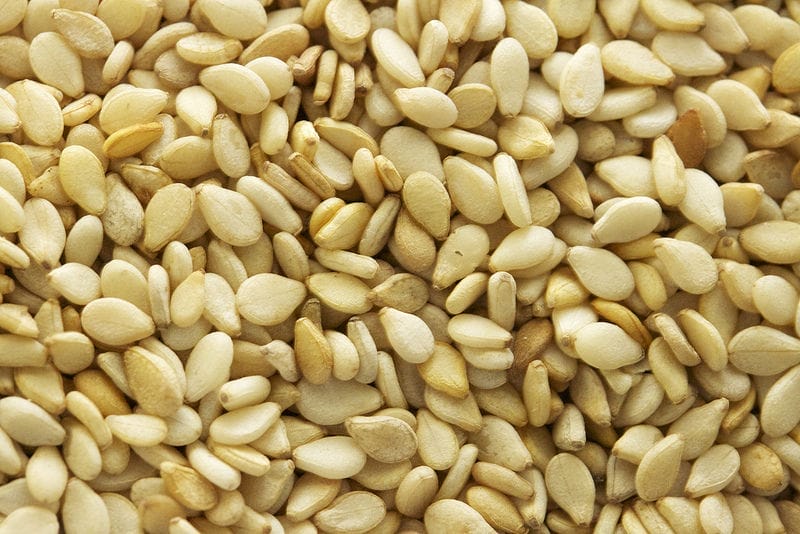
Nigeria’s sesame industry could face significant challenges in 2026 as rising insecurity and the risk of flooding threaten production across key farming regions, raising concerns about the country’s export outlook for one of its most valuable non-oil commodities.
Industry experts say attacks on farming communities, coupled with unpredictable weather patterns, may reduce cultivation and harvest volumes during the current planting season. The disruptions could affect export earnings at a time when Nigeria continues to strengthen its position in global agricultural trade.
Nigeria is Africa’s largest producer of sesame seeds and ranks among the world’s leading exporters, supplying major international markets including China, Japan and Turkey. The crop has become increasingly important as the country seeks to diversify export revenue beyond crude oil. Despite this, stakeholders warn that security challenges and climate-related risks are placing growing pressure on production.
According to industry data referenced by experts, Nigeria produced approximately 450,000 metric tonnes of sesame in 2024, accounting for more than six percent of global output. However, production has declined over recent years, falling from levels recorded in 2019 despite continued international demand.
Export performance has remained resilient, with sesame export earnings increasing during the first quarter of 2026 compared with the same period a year earlier. However, agricultural specialists caution that maintaining this growth will depend on farmers being able to safely cultivate their fields and avoid weather-related crop losses.

Most sesame production in Nigeria is carried out by smallholder farmers operating on relatively small plots under rain-fed conditions. Limited mechanisation, inadequate rural infrastructure and restricted access to modern farming technologies continue to constrain productivity, while post-harvest handling remains largely manual, increasing production costs and reducing efficiency.
The sesame value chain supports more than half a million farmers across northern Nigeria and provides employment for thousands of people involved in aggregation, transportation, processing and export activities. Women also play a significant role in harvesting, cleaning and other post-harvest operations, making the crop an important source of income for many rural households.
Stakeholders believe prolonged insecurity or severe flooding could have wider economic consequences beyond the agricultural sector. Lower production would likely reduce export volumes, affect foreign exchange earnings and slow Nigeria’s efforts to expand non-oil exports as global demand for sesame continues to grow.
Industry players are calling on government authorities to strengthen security in farming communities, invest in flood mitigation measures and improve rural infrastructure. They also advocate increased access to improved seed varieties, mechanised farming equipment, irrigation systems and agricultural extension services to improve resilience and productivity.
With international demand for sesame remaining strong, experts say Nigeria has significant opportunities to expand its market share. However, they warn that achieving sustained growth will require decisive action to address security concerns, climate risks and long-standing production challenges that continue to affect farmers across the country’s major sesame-producing states.