


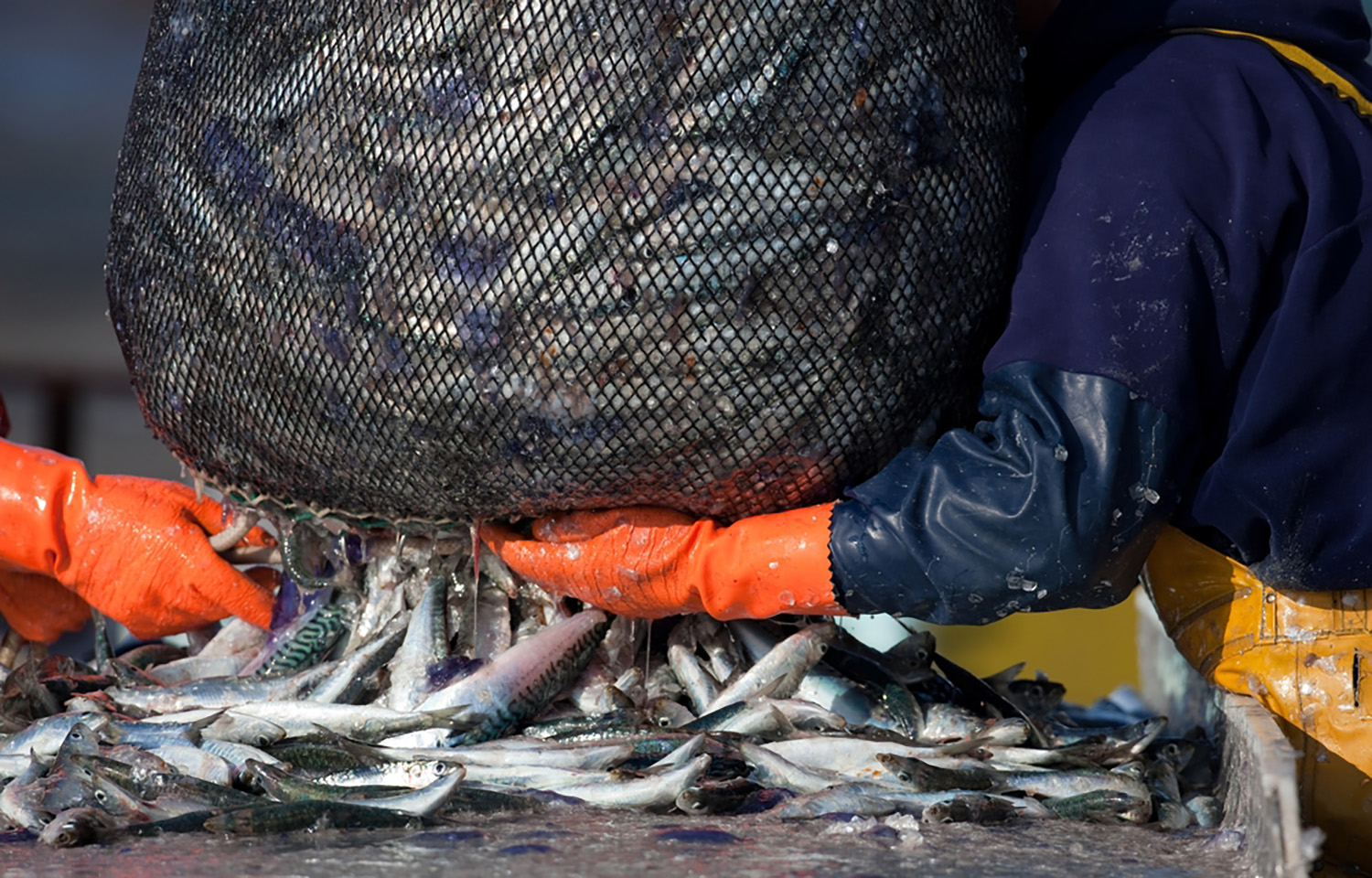
According to data from Russia’s Federal Center for Fish and Seafood (Agroexport), the country’s fish and seafood exports increased by 19% year-on-year during the first quarter of 2026, reaching approximately US$1.7 billion.
The expansion forms part of a broader export diversification strategy aimed at reducing dependence on traditional European markets while strengthening trade relationships with developing economies and “friendly countries” across the Global South.
Frozen fish exports drive growth
Russia recorded strong growth across several major seafood categories during the quarter.
Frozen fish exports rose 26% year-on-year to US$944 million, supported by sharp increases in shipments of:
- pollock,
- cod,
- and haddock.
Exports of frozen pollock climbed 45%, while cod and haddock exports increased by 58% and 63% respectively. Crustacean exports also rose strongly, increasing 22% to nearly US$570 million.

Industry officials say higher international seafood prices are also helping boost export revenues even as overall shipment volumes remain relatively stable.
Africa and Middle East becoming strategic growth markets
Russian fisheries authorities say Africa and the Middle East are becoming increasingly important growth regions for seafood exports as countries seek alternative food suppliers and strengthen food security partnerships.
Ilya Shestakov stated that Russia currently exports fish products to more than 90 countries and sees significant long-term growth potential in Africa, Latin America, Asia and the Middle East.
The Middle East in particular is emerging as a priority market for Russian seafood exporters.
According to the Russian Fisheries Association, seafood exports to Middle Eastern countries could reach nearly 90,000 tonnes annually by 2030, with fishmeal, pollock, cod, salmon, sardines and crab products expected to drive demand growth.
Countries including:
- United Arab Emirates,
- Saudi Arabia,
- Qatar,
- Oman,
- and Bahrain
have already seen rising imports of Russian seafood products in recent years.
Export diversification reshaping global seafood trade
Russia’s growing focus on Africa and other emerging regions reflects wider shifts in global agricultural and food trade flows as geopolitical tensions, sanctions and supply-chain realignments encourage exporters to diversify destination markets.
The strategy also aligns with growing food demand across Africa, where population growth, urbanisation and rising protein consumption continue driving seafood imports.
For African importers, Russia’s expansion could provide additional access to competitively priced frozen fish and seafood products at a time when food inflation and supply disruptions remain major concerns across many markets.
At the same time, analysts note that Russia’s ability to deepen seafood trade with Africa will depend on logistics efficiency, payment systems, cold-chain infrastructure and evolving geopolitical relationships shaping international trade routes.