


Source: Dassault Systemes
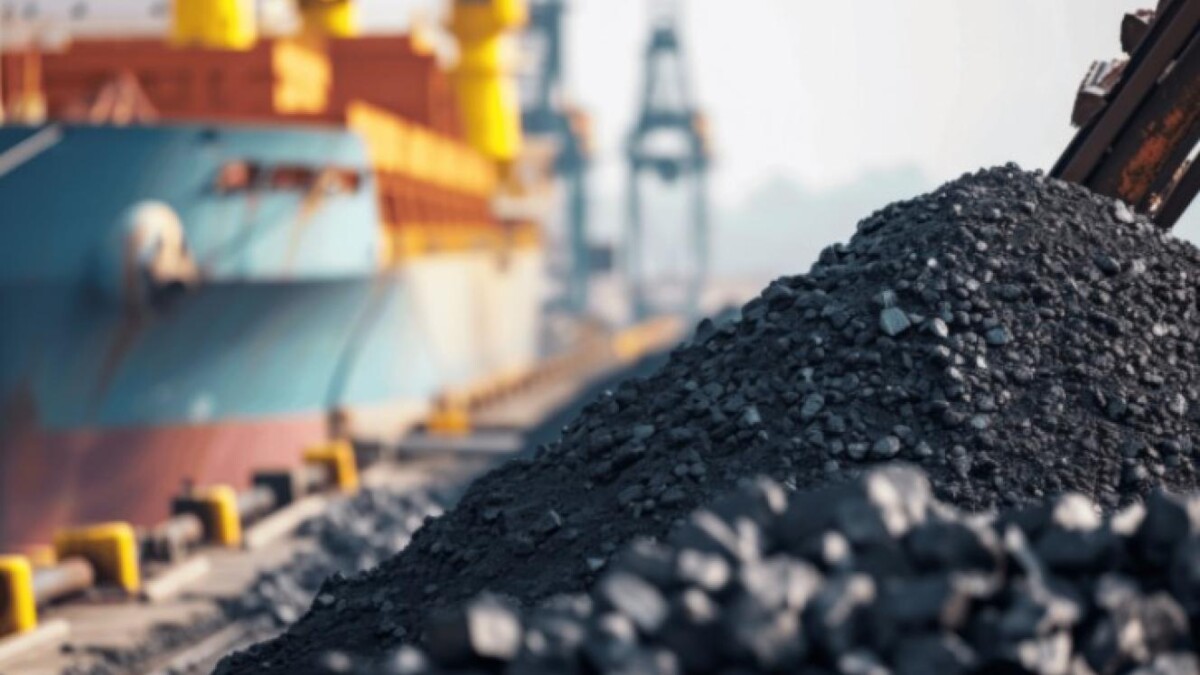
Africa must shift away from its long-standing “pit-to-port” mining model and prioritise local beneficiation if it is to unlock sustainable economic growth, according to a leading mining executive.
Tania Mandaza, Vice President of Mining and Metals at Stanbic Bank in Zimbabwe, argues that exporting raw minerals without local processing deprives the continent of significant economic value.
“Africa must move beyond the traditional pit-to-port approach and start creating real value within its borders,” she said. “When we co-develop markets, rail, renewables, processing, and supply-chain traceability, the value grows and accrues locally. That’s how African miners, governments and communities win together.”
Zimbabwe is positioning itself as a regional leader in this shift. The country is Africa’s top producer of lithium and holds the world’s third-largest platinum reserves. Authorities are encouraging mining companies to establish local processing facilities rather than exporting unprocessed ore, a move aimed at strengthening domestic value chains and capturing more revenue from critical minerals.

Mandaza emphasised that beneficiation is not only an economic imperative but also a strategic one. By processing minerals locally, countries can create skilled employment, strengthen governance frameworks and position themselves as global hubs for green technology supply chains.
Research by University of the Witwatersrand academics Glen Nwaila and Grant Bybee suggests that processing critical minerals within Africa could generate approximately 2.3 million jobs and raise the continent’s GDP by about 12%. Their findings underscore the scale of potential gains if value addition is prioritised.
Several African nations are already implementing or considering policies to encourage beneficiation. The Democratic Republic of the Congo is advancing measures around cobalt and copper exports, while Botswana continues to focus on diamond value addition. Namibia is targeting rare earth minerals, Zambia is reviewing copper export frameworks, and Ghana is promoting lithium and gold beneficiation through its green minerals policy. Morocco is expanding its cobalt sulphate industry, while Malawi is focusing on rutile processing.
However, not all trends are positive. South Africa has seen a decline in processing capacity, with the closure of several smelters raising concerns about deindustrialisation in parts of the mining value chain.
Support for beneficiation also comes from logistics stakeholders. Edward Shivute, Acting Chief Executive Officer of the Walvis Bay Corridor Group, noted that the southern African mining sector is entering a strategic growth phase driven by rising global demand for critical minerals and energy transition resources.
He said the shift toward higher-value production, digital modernisation and local processing presents significant opportunities for trade corridors and logistics operators. Ensuring seamless, safe and cost-effective transport solutions will be critical in enhancing corridor competitiveness and maintaining reliable access to international markets.
As global demand for critical minerals intensifies, mining leaders argue that Africa faces a defining moment: remain a supplier of raw materials, or build integrated value chains that anchor industrial growth and long-term prosperity on the continent.