


Russia has imported gasoline from Morocco as it seeks alternative fuel supplies following sustained Ukrainian drone attacks that have disrupted domestic refinery operations and reduced the country’s gasoline production.
The shipment marks the first publicly reported case of an African country supplying seaborne gasoline to Russia during its current fuel shortage, underscoring Africa’s expanding role in the global refined petroleum market.
Morocco Emerges as New Fuel Supplier
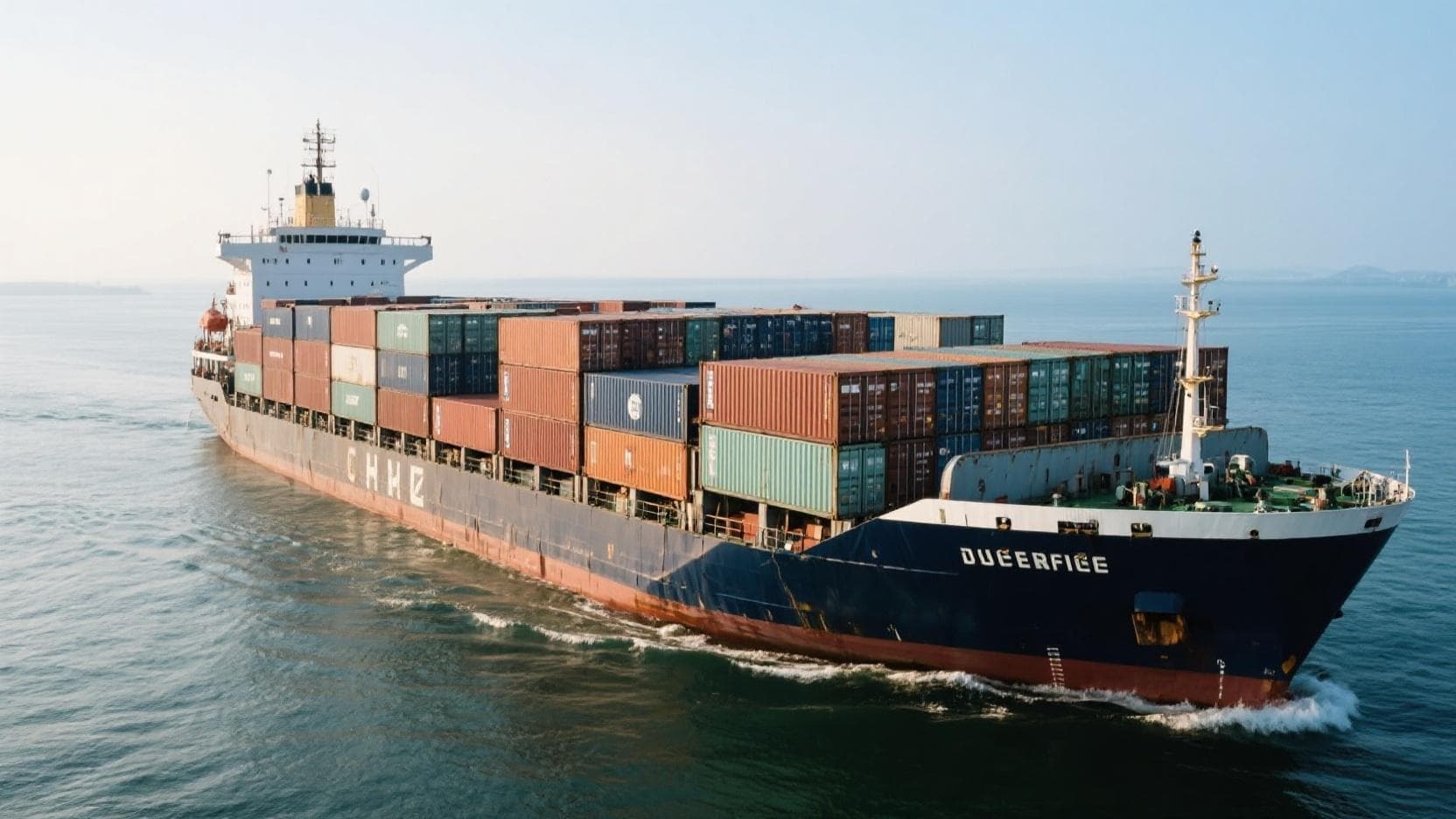
Approximately 30,000 metric tonnes of AI-92 gasoline were shipped from Morocco’s Port of Tangier to Russia’s Arctic port of Murmansk in mid-July.
Industry sources indicated that the cargo was supplied by Russian oil producer Lukoil and transported aboard a Panama-flagged tanker. Market data also showed that the imported gasoline was subsequently made available for rail distribution from Kola station, which serves the Murmansk port.

Although Morocco is not a major crude oil producer, its strategic location, modern port infrastructure and extensive fuel storage capacity have strengthened its position as an important regional energy and logistics hub connecting Africa and Europe.
Drone Attacks Pressure Russian Refineries
The imports come as repeated Ukrainian drone strikes continue to affect Russia’s oil refining infrastructure, forcing Moscow to seek refined fuel from international markets despite being one of the world’s largest oil producers.
By early July, Russia’s gasoline production had reportedly declined to around 65% of normal summer demand, with refineries producing an estimated 40,000 to 45,000 tonnes less gasoline each day than domestic consumption required.
To manage the supply shortfall, Russian authorities have introduced fuel sales restrictions in several regions, suspended exports of gasoline and other petroleum products, increased imports from Belarus and Kazakhstan, and redirected fuel supplies to major urban centres.
Russian President Vladimir Putin acknowledged the supply challenges, describing the shortages as manageable while confirming that attacks on energy infrastructure had created operational difficulties.
Deputy Prime Minister Alexander Novak also confirmed that Russia would increase imports of refined petroleum products to offset refinery disruptions and meet seasonal demand.
Africa’s Growing Role in Global Fuel Markets
Morocco’s gasoline shipment highlights Africa’s increasing importance in international refined fuel trade, as more countries invest in petroleum storage, refining and export infrastructure.
Rather than serving solely as exporters of crude oil, several African nations are expanding their capacity to participate in higher-value segments of the energy supply chain.
The development also demonstrates how shifting geopolitical dynamics are creating new commercial opportunities for African energy exporters.
Additional African Suppliers Under Consideration
Before sourcing fuel from Morocco, Russia had already begun importing gasoline from India, with reports indicating that approximately 60,000 tonnes had been delivered.
Industry analysts suggest Moscow could import as much as 400,000 tonnes of refined petroleum products per month if refinery disruptions continue.
Should Russia further diversify its supply sources, African refining hubs such as Nigeria, Algeria and Angola are expected to emerge as potential suppliers, reflecting the continent’s growing influence in global energy markets.
Strategic Implications
The gasoline imports illustrate how changing global trade patterns are reshaping energy supply chains. For Morocco, the shipment reinforces its position as a strategic logistics and energy hub, while for Russia it provides temporary relief as domestic refining capacity remains under pressure.
As geopolitical tensions continue to influence global energy markets, Africa’s expanding refining sector is likely to play an increasingly important role in meeting international demand for refined petroleum products.