


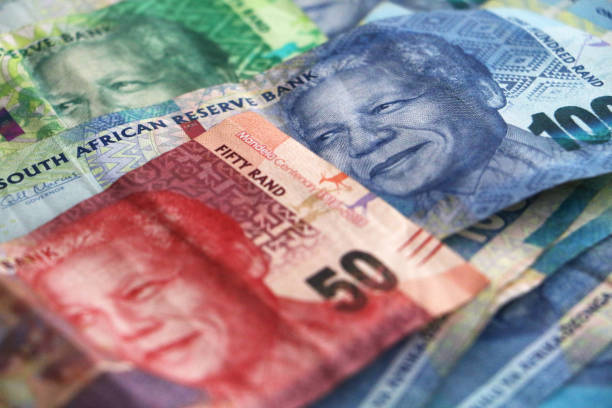
A strong and stable currency remains one of the most important indicators of economic resilience, helping countries control inflation, lower import costs, attract foreign investment and strengthen business confidence. As global markets continue to face economic uncertainty, several African nations have maintained relatively strong currencies, providing greater protection against external financial shocks.
According to the latest rankings for July 2026, countries with stable exchange rates are better positioned to support economic growth through improved purchasing power, stronger trade performance and enhanced investor confidence.
Currency Stability Supports Economic Growth
Many African economies rely heavily on imports, including fuel, machinery, pharmaceuticals and industrial equipment. When a country’s currency remains strong against major international currencies, businesses spend less on imported goods, helping to reduce production costs and limit inflation.
Stable exchange rates also encourage foreign direct investment by reducing currency risks for international investors, creating opportunities for business expansion, job creation and long-term economic development.

Recent market forecasts indicate that while several African currencies—including Nigeria’s naira, Ghana’s cedi and Uganda’s shilling—are expected to remain under pressure, Kenya’s shilling and Zambia’s kwacha continue to demonstrate relative stability.
Kenya’s currency has been supported by strong remittance inflows from its diaspora, while Zambia has benefited from higher global copper prices, strengthening foreign exchange earnings from one of its largest export sectors.
Top 10 Strongest African Currencies – July 2026
According to the July 2026 rankings:
- Tunisian Dinar (Tunisia)
- Libyan Dinar (Libya)
- Moroccan Dirham (Morocco)
- Botswana Pula (Botswana)
- Seychellois Rupee (Seychelles)
- Eritrean Nakfa (Eritrea)
- Ghanaian Cedi (Ghana)
- Lesotho Loti (Lesotho)
- Namibian Dollar (Namibia)
- South African Rand (South Africa)
Why Strong Currencies Matter
Currency strength plays a critical role in supporting economic stability by making imports more affordable and reducing inflationary pressures. This is particularly important for African countries that depend on imported fuel, agricultural inputs, medicines and manufacturing equipment.
Stable currencies also improve consumer purchasing power, helping households manage the cost of living while supporting business profitability through lower operating expenses.
For investors, predictable exchange rates reduce financial risks and encourage greater investment in sectors such as agriculture, manufacturing, mining and infrastructure.
Outlook for African Economies
Despite ongoing global economic challenges, countries with diversified export earnings, healthy foreign exchange reserves and prudent monetary policies continue to demonstrate greater currency resilience.
Growing exports of commodities such as copper, gold and agricultural products, together with strong remittance inflows and sound fiscal management, are expected to remain key drivers of currency stability across several African economies.
As governments continue implementing reforms aimed at strengthening macroeconomic fundamentals, maintaining stable currencies will remain essential for supporting sustainable economic growth, attracting investment and improving competitiveness across the continent.