


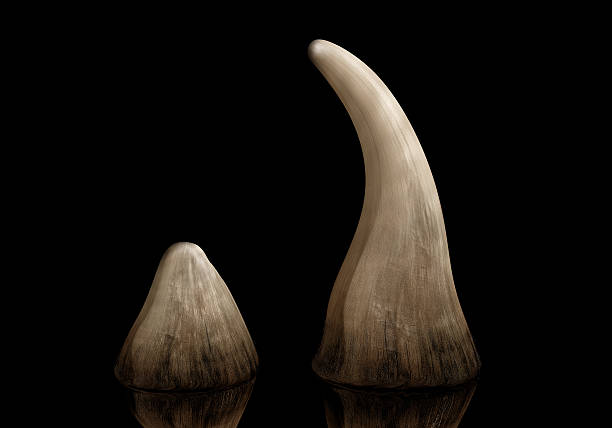
A South African rhino rancher is seeking court approval to export 479 rhino horns to destinations including Canada, the United States and China, a move that has intensified concerns among conservation groups over the future of global rhino protection efforts.
The application, brought by Hendrick “Wicus” Diedericks, proposes shipments to eight international locations, including China, Hong Kong, Japan, Laos, Mongolia, the United States and Vietnam. Most of the horns, however, are reportedly destined for a single address in Ontario, Canada.
The case has drawn strong criticism from the Environmental Investigation Agency (EIA), which warned that the exports could undermine international wildlife trade regulations and increase pressure on already vulnerable rhino populations.
According to the EIA, expanding the legal availability of rhino horn risks stimulating consumer demand and creating additional opportunities for illegal trafficking networks.
The dispute comes amid heightened scrutiny of both legal and illicit rhino horn trade in South Africa, home to nearly 80% of the world’s rhino population.

The country’s estimated 15,750 rhinos include large populations of southern white rhinos, classified as near-threatened. Although poaching rates reportedly declined by 16% in 2025, conservationists say trafficking syndicates continue exploiting loopholes within legal trade systems.
The proposed exports are linked to a controversial 2017 South African High Court ruling that lifted the domestic ban on rhino horn trade, allowing private ownership and local sales of rhino horns.
However, international commercial trade in rhino horn remains prohibited under the Convention on International Trade in Endangered Species of Wild Fauna and Flora (CITES), except under limited scientific or conservation exemptions.
Conservation groups argue that efforts to weaken international restrictions could reverse gains made against poaching over the past decade.
The issue has gained further attention following separate allegations involving prominent South African conservationist John Hume, once believed to own the world’s largest rhino breeding operation.
In 2025, Hume was charged in connection with an alleged rhino horn smuggling scheme involving horns valued at approximately US$14 million. South African authorities linked the case to a network allegedly attempting to move hundreds of rhino horns into illegal Southeast Asian markets.
Demand for rhino horn remains particularly strong in parts of Asia, including China and Vietnam, where horns are used in traditional medicine and viewed as luxury status symbols despite a lack of scientific evidence supporting medicinal claims.
Rhino horn’s high black-market value, often compared to precious metals or narcotics, continues to fuel organized wildlife trafficking networks.
Several countries named in the proposed export plan already maintain strict domestic controls on rhino horn trade.
Canada introduced a domestic ban on rhino horn trade in 2023, while the United States prohibited domestic rhino horn sales in 2014 through measures enforced by the United States Fish and Wildlife Service.
China banned domestic rhino horn trade in 1993 and strengthened restrictions in 2018, although authorities continue battling illegal trafficking networks and underground demand.
Conservation experts warn that expanding legal trade channels could complicate enforcement efforts by making it harder for authorities to distinguish between legal and illegal rhino horn products.
The court case is expected to become another major test of South Africa’s wildlife trade policies as the country balances private conservation interests, anti-poaching efforts and international obligations under global conservation agreements.