


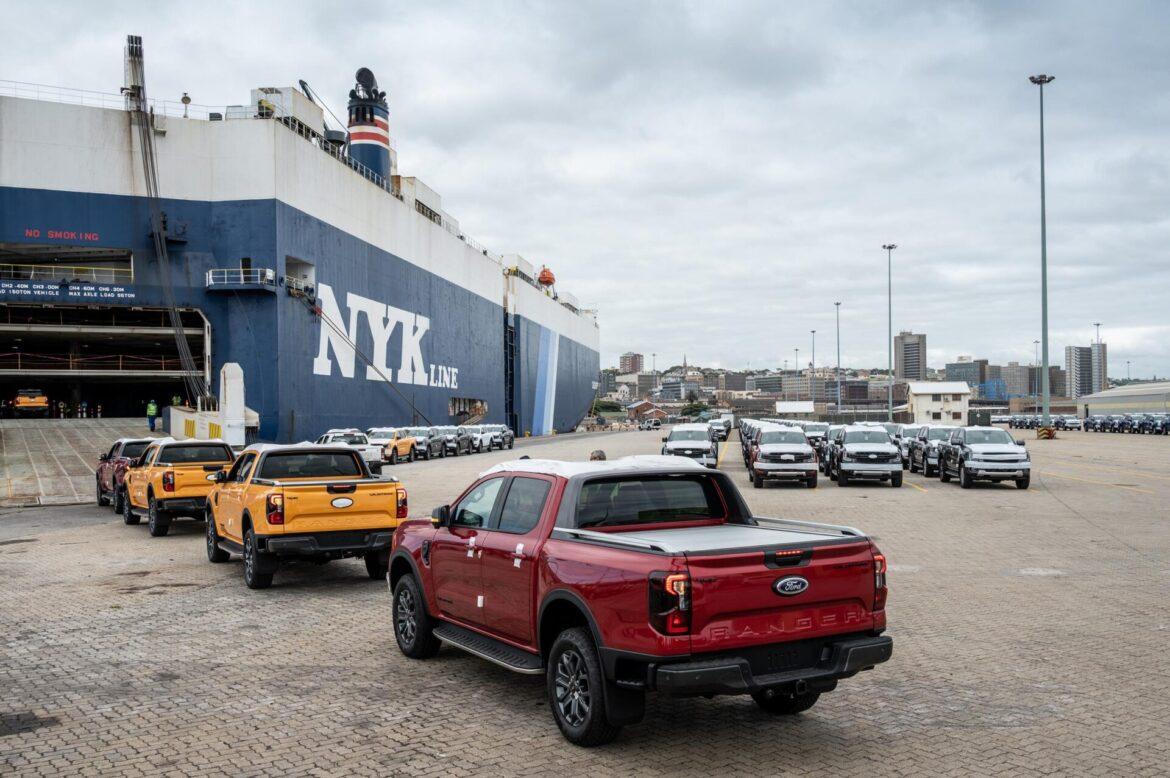
Recent shifts in vessel rotations and new service entries at regional ports have changed container flows and made port productivity a central determinant of export competitiveness. Exporters must monitor berth productivity, dwell times, hinterland connections and carrier schedules because these operational factors directly affect lead times, freight costs and the ability to meet contract windows for time‑sensitive consignments.
Actionable measures for exporters include diversifying shipping routes and carriers to avoid single‑point failures, negotiating space‑and‑rate agreements for peak seasons, and partnering with logistics providers who offer guaranteed pickup and consolidation services. Exporters of perishables should prioritise ports and logistics chains with reliable cold‑chain handling and rapid customs clearance processes.
On the commercial side, exporters can reduce risk and cost by building buffer inventory strategies matched to shipping frequency, using port‑of‑origin consolidation centers to lower per‑unit freight costs, and contracting freight forwarders that provide real‑time tracking and exception management. Where export volumes justify it, collaborating with peers to secure block space or charter arrangements can stabilise supply chains.
Policymakers and port authorities need to continue investing in berth productivity, digitised documentation, and hinterland rail or road upgrades to keep export supply chains competitive. Exporters should proactively engage port stakeholders and carrier representatives to ensure their service requirements are reflected in future route and capacity planning.
Exporters must track port productivity, diversify carrier options, secure space agreements, and prioritise cold‑chain and consolidation strategies to protect margins and delivery reliability.
