


The United Nations Economic Commission for Africa (ECA) has highlighted the proposed Nigeria–Morocco gas pipeline as a major regional infrastructure project that could improve energy access, strengthen cross-border connectivity and support economic development across Africa.
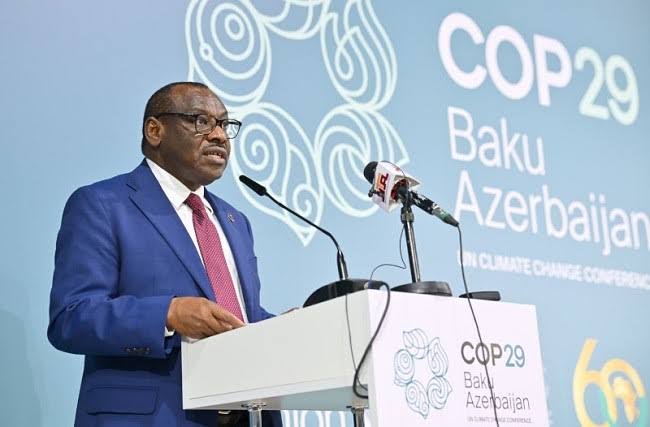
Speaking during an interactive dialogue with the United Nations General Assembly’s Second Committee in New York, ECA Executive Secretary Claver Gatete identified the pipeline as an example of how regional cooperation could help address the continent’s persistent energy challenges.
The discussion, held under the theme “Regional Cooperation in an Age of Fragmentation,” examined how improved trade, transport and infrastructure links could accelerate sustainable development.
Gatete said the pipeline could extend natural gas supplies across West Africa and beyond, helping countries expand energy availability and support industrial growth.
A Regional Energy Infrastructure Project

The Nigeria–Morocco gas pipeline, also known as the African Atlantic Gas Pipeline (AAGP), was initiated by Nigeria and Morocco in 2016. The proposed network is designed to transport Nigerian natural gas through West African countries towards Morocco, with the potential to connect to European markets.
According to the Economic Community of West African States (ECOWAS), the project is expected to span approximately 6,800 kilometres, including around 5,100 kilometres of offshore pipeline infrastructure. Its estimated cost is US$26 billion.
The project is intended to strengthen regional energy security by improving access to natural gas for electricity generation and industrial use. It could also support agricultural production, stimulate manufacturing and create employment opportunities in participating countries.
However, the scale of the project means that financing, construction and coordination between participating countries will be central to its eventual delivery.
Electricity Access Remains a Major Challenge
Gatete said inadequate electricity supply continues to constrain investment and economic transformation across Africa. Approximately 600 million people on the continent still lack access to electricity, highlighting the need for substantial investment in energy infrastructure.
He also stressed the importance of regional power pools and interconnected electricity systems, which can help countries share available capacity and create more attractive conditions for investors.
Alongside energy connectivity, Gatete identified domestic resource mobilisation and stronger creditworthiness as important factors in financing Africa’s development priorities.
Energy Links and Continental Trade
The ECA’s remarks also highlighted the relationship between infrastructure development and African economic integration.
Gatete said 50 African countries had ratified the African Continental Free Trade Area (AfCFTA) agreement, while 44 of its 54 signatories had developed national implementation strategies with ECA technical support.
Despite this progress, intra-African trade accounts for approximately 17% of the continent’s total trade, according to figures cited by Gatete. The commission is supporting the development of regional value chains to help African countries process more of their own resources, expand manufacturing and increase trade between neighbouring markets.
The Nigeria–Morocco pipeline reflects the wider effort to develop cross-border infrastructure that can connect African economies, improve access to energy and support industrialisation. Its eventual impact will depend on the project’s implementation and the ability of participating countries to translate regional cooperation into reliable energy supplies and broader economic opportunities.