


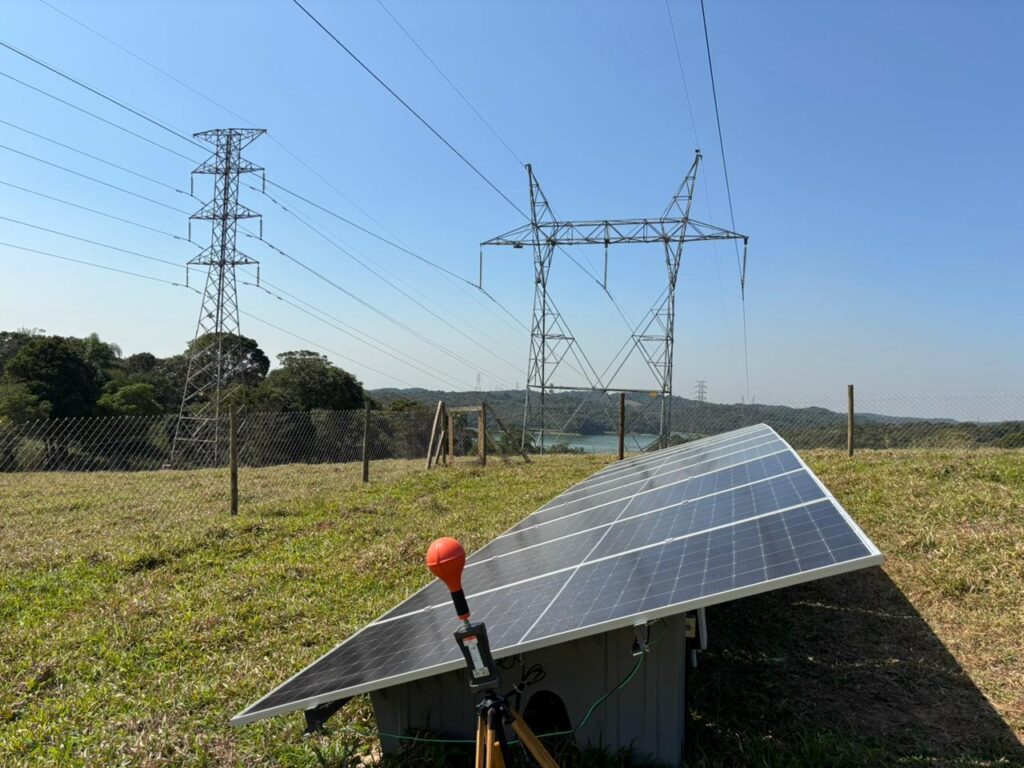
Brazil is entering a new phase of power-sector development as electricity market reforms, offshore wind regulation and a new low-carbon hydrogen framework create opportunities for greater investment in renewable energy.
According to GlobalData’s latest power market analysis, Brazil’s total installed power capacity is projected to grow at a compound annual growth rate of 4.7% between 2025 and 2035. Over the same period, the share of renewable capacity is forecast to increase from 48% to almost 62%, while renewable sources could account for close to half of total electricity generation.
Solar photovoltaic (PV) is expected to remain the main driver of new capacity in the near term, supported by a large pipeline of permitted, financed and developing projects. GlobalData expects solar PV to surpass large hydropower as Brazil’s largest power source by installed capacity by 2035.
Onshore wind is also expected to expand, particularly across Brazil’s high-yield Northeast region. At the same time, offshore wind represents a longer-term opportunity, although its development will depend on clear rules covering auctions, seabed leasing, environmental approvals and grid access.
GlobalData Power Analyst Attaurrahman Ojindaram Saibasan said Brazil has the natural resources and investor interest needed to significantly broaden its renewable energy mix, but highlighted the importance of regulatory clarity and infrastructure development.

The country is also expected to require greater grid flexibility as variable renewable generation expands. GlobalData said the 2025 Power Sector Reform Law supports the transition by gradually opening the free electricity contracting market to all consumers and establishing a framework for grid-scale energy storage.
Investment opportunities are expected to remain substantial. Brazil’s power sector is forecast to attract almost $93 billion in new capital investment between 2026 and 2030, with solar PV accounting for approximately 58% of total expenditure, followed by onshore wind and natural gas.
The expansion of renewable power could also strengthen Brazil’s position in low-carbon industrial development. Its Low Carbon Hydrogen Framework is expected to support the use of relatively low-cost renewable electricity for domestic industrial decarbonisation and potential clean-fuel exports.
GlobalData said Brazil’s long-term ambitions will depend on coordinated investment in transmission infrastructure, faster licensing, and regulatory certainty for energy storage and offshore wind.
The country is targeting a 59% to 67% reduction in net greenhouse gas emissions by 2035, according to the analysis, adding further pressure to expand clean power while maintaining a reliable and affordable electricity system.