


EBC Financial Group notes that Kenya’s new virtual asset regulations created a restriction on local access to foreign dollar-linked stablecoins before the shilling came under pressure, giving the Central Bank of Kenya a way to limit that access if demand for US dollar-linked assets rises later.
NAIROBI, 27 August 2026 – EBC Financial Group (EBC) highlights that Kenya gave the Central Bank of Kenya (CBK) power to restrict local access to foreign dollar-linked stablecoins while the shilling was stable and foreign currency reserves were strong, with no immediate currency pressure requiring such a control. The move puts the restriction in place ahead of a possible rise in demand for US dollar-linked assets, particularly as inflation increases and stablecoins provide households and businesses with another route to dollar exposure.
Kenya completed the Virtual Asset Service Providers Regulations, 2026 on 22 July under Legal Notice No. 134. Regulation 60(6) prevents a licensed exchange from listing a stablecoin unless it has CBK approval and is issued by a licensed stablecoin issuer. Regulation 83 allows the CBK to direct licensed firms in Kenya to restrict access to or trading in a stablecoin issued outside Kenya. Stablecoins are digital assets designed to maintain their value against assets such as the US dollar.
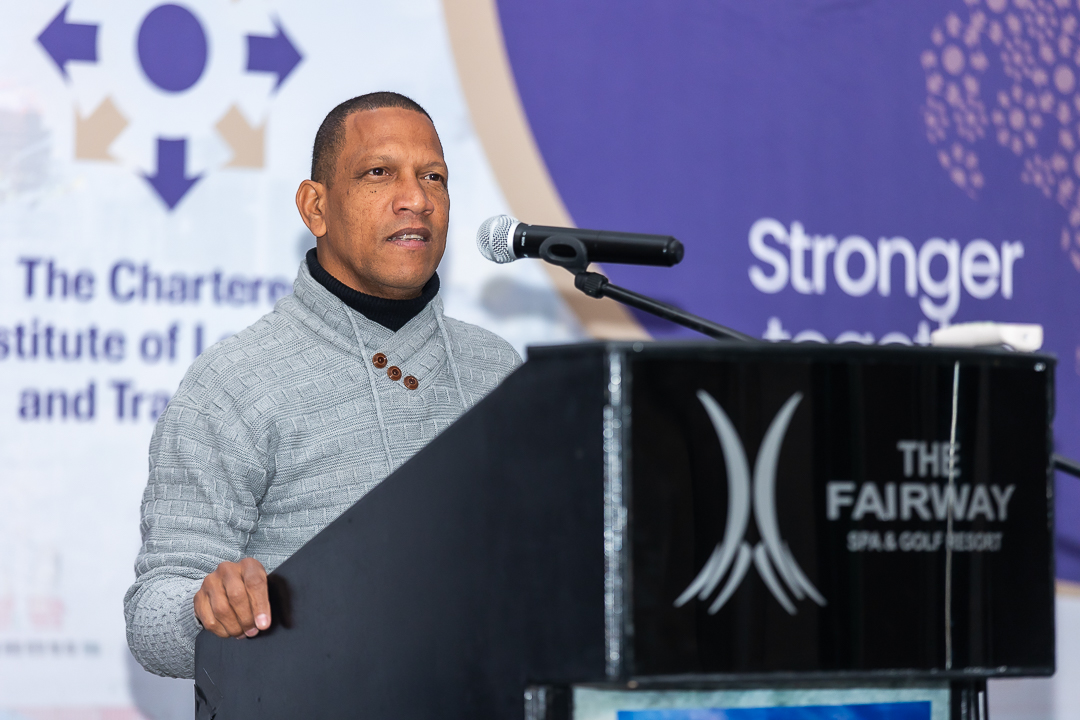
David Precious, Senior Market Analyst at EBC Financial Group, said, “The CBK now has the power to limit how Kenyan customers access foreign dollar-linked stablecoins through licensed providers. The important point is that this power was created while the shilling was stable, not during a currency crisis. If demand for US dollar-linked assets rises later, the CBK already has a legal route to act without waiting for another law.”
The CBK Secured this Power before the Shilling Faced Pressure

Kenya introduced the stablecoin restrictions while the currency was stable, and foreign currency reserves were strong. That reduces the likelihood that the rules were designed as an immediate response to a falling shilling. Instead, the CBK now has a tool available if future demand for US dollars or dollar-linked assets starts adding pressure to the currency.
The shilling stayed within a narrow quarterly average range of KSh129.32 to KSh129.47 per USD throughout the 2024/25 financial year, with a full-year average of KSh129.37 per USD. By 30 July 2026, the shilling was still at KSh129.40 per USD, while foreign currency reserves stood at USD15.4 billion, equivalent to 6.4 months of import cover.
These conditions can reduce the immediate need to defend the shilling or conserve foreign reserves. The CBK nevertheless already has the power to restrict access to foreign stablecoins if stronger demand for dollar-linked assets becomes a source of currency pressure later.
Kenya can Limit Local Access without Controlling Foreign Stablecoin Issuers
The practical effect of the regulations is that Kenya does not need authority over an overseas stablecoin company to influence whether Kenyan customers can access its product through licensed firms. Together, Regulations 60(6) and 83 let the CBK control both initial listing and continued access to foreign stablecoins through licensed Kenyan providers.
The wider framework also brings companies serving Kenyan customers within local regulatory reach, even when those companies operate from overseas. Licensed applicants must also maintain a Kenyan legal presence, local office and local banking arrangements. This means a stablecoin can continue trading globally while the CBK still decides whether licensed businesses serving Kenyan customers can provide access to it.
The Importance of Stablecoin: Giving Kenyans another Route to the US dollar
Stablecoin access is important because it allows households and businesses to hold or transfer value linked to the US dollar without using a conventional US dollar bank account. That creates an alternative route to dollar exposure outside traditional banking channels.
Kenya ranks among the five largest crypto markets in Sub-Saharan Africa according to Chainalysis. Across the region, more than USD205 billion in crypto value was received between July 2024 and June 2025, up about 52% from the previous year. The USD205 billion is gross crypto value, not new foreign currency entering African economies, but it shows the scale of digital-asset activity around markets such as Kenya.
Chainalysis also identifies stablecoins as tools used across Sub-Saharan Africa for cross-border trade and protection against inflation or currency weakness. Kenya’s annual inflation rose from 4.4% in January to 6.5% in July 2026. Higher inflation can make US dollar-linked assets more attractive to households and businesses looking to preserve purchasing power. It does not prove that Kenyan customers are already moving into stablecoins in large numbers, but it can give the CBK a reason to have the legal power ready before such demand becomes large enough to affect the shilling.
Kenya Lowered Entry Costs but Kept Tighter Control Over Foreign Stablecoins
The minimum paid-up capital for a stablecoin issuer was reduced from KSh500 million in the consultation draft to KSh300 million in the final regulations. Wallet providers require KSh150 million and exchanges KSh100 million.
The changes separate two policy questions. Kenya has lowered one financial barrier for companies that want to operate legally, while keeping the final decision over foreign stablecoin access with the CBK. Permission to operate does not automatically mean permission to offer every foreign stablecoin.
“The capital changes suggest Kenya still wants licensed crypto businesses operating locally,” Precious added. “The more important test is what happens if the CBK later restricts a widely used foreign stablecoin. Kenyan customers may remain with licensed providers and accept fewer choices, or move towards offshore platforms and direct peer-to-peer trading that is harder for local regulators to monitor.”
Next Phase for Kenya: Which Foreign Stablecoins the CBK Allows
The next question is which foreign stablecoins receive CBK approval and whether the CBK ever uses Regulation 83 to restrict one that is already available. These decisions will shape whether widely used dollar-linked stablecoins remain available through licensed Kenyan providers and how much control the CBK ultimately exercises over local access. They will also give other East African regulators a practical example of whether tighter central-bank control keeps stablecoin activity with licensed businesses or encourages customers to move towards offshore platforms and direct peer-to-peer trading.
Existing virtual asset providers must comply with the Act by 4 November 2026, one year after it came into force. Virtual Asset Service Providers Act, 2025. Kenya also remained under Financial Action Task Force increased monitoring following the 19 June 2026 review. FATF, Jurisdictions under Increased Monitoring, 19 June 2026.
At the same time, the East African Community is implementing its Cross-Border Payment System Masterplan to support more connected regional payment systems and closer regulatory coordination. Kenya’s implementation may give neighbouring regulators an early example of how a country can allow a licensed digital-asset market to operate while retaining central-bank control over local access to foreign dollar-linked stablecoins.
For more information, visit www.ebc.com
Disclaimer: This material is for information only and does not constitute a recommendation or advice from EBC Financial Group and all its entities (“EBC”). Trading Forex and Contracts for Difference (CFDs) on margin carries a high level of risk and may not be suitable for all investors. Losses can exceed your deposits. Before trading, you should carefully consider your trading objectives, level of experience, and risk appetite, and consult an independent financial advisor if necessary. Statistics or past investment performance are not a guarantee of future performance. EBC is not liable for any damages arising from reliance on this information.