


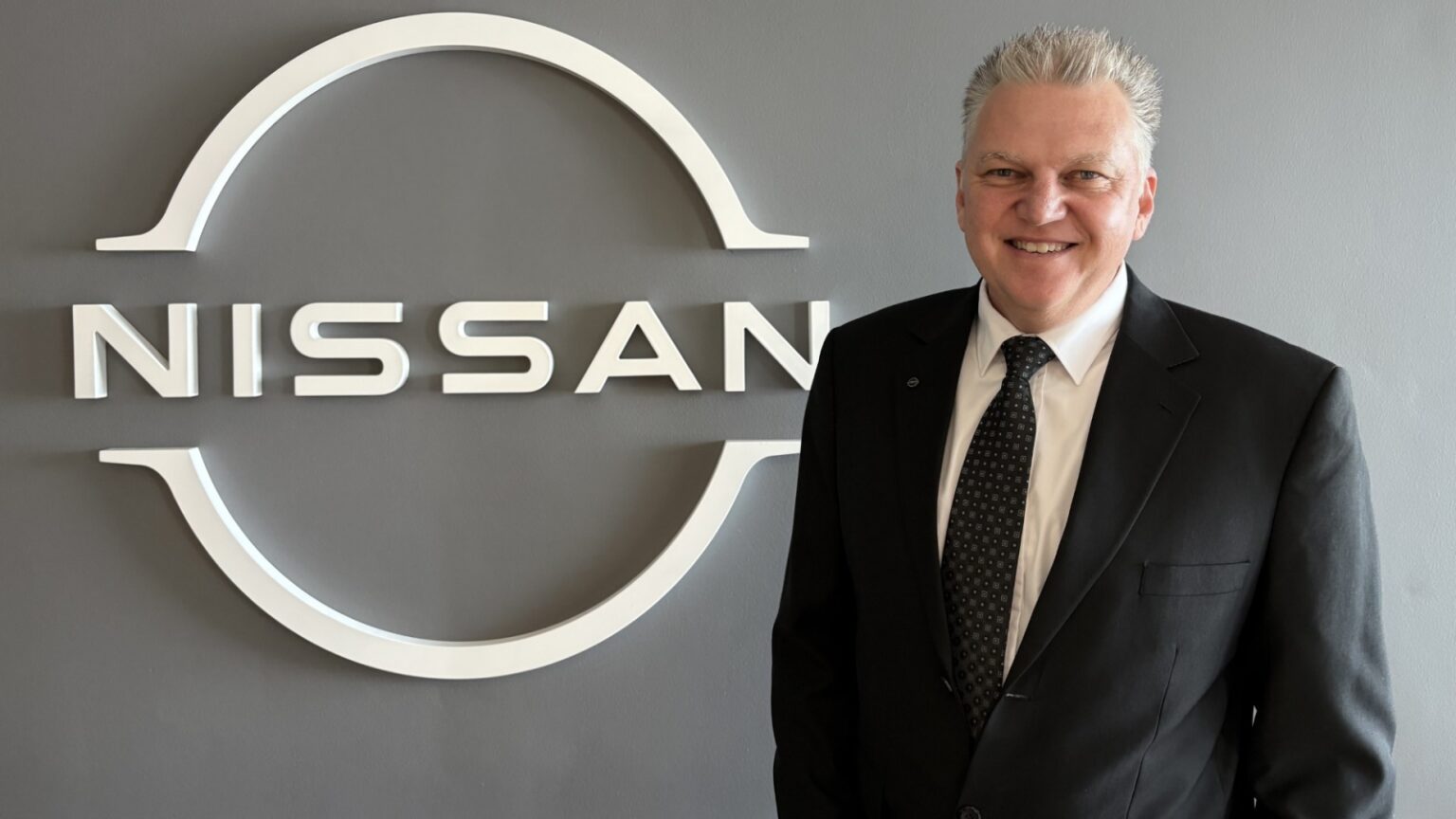
Nissan has named automotive veteran Juan Wheeler as Managing Director of Nissan South Africa, tasking the former finance executive with leading the company’s recovery following the closure of its long-standing Rosslyn manufacturing plant.
Nissan has appointed Juan Wheeler as Managing Director of Nissan South Africa, entrusting the seasoned automotive executive with steering the Japanese automaker through a critical period of restructuring and rebuilding in one of Africa’s largest vehicle markets.
Wheeler, who currently serves as Chief Financial Officer for Nissan Africa, brings more than two decades of international automotive experience spanning finance, manufacturing, product planning and commercial operations across Africa, Asia and the Middle East.
His appointment comes as Nissan seeks to strengthen its South African operations following significant global restructuring measures that included the sale of its Rosslyn manufacturing facility in Pretoria.
Automotive Executive with Global Experience

A graduate of Tshwane University of Technology, Wheeler began his career as a State Accountant with South Africa’s Department of Foreign Affairs before joining Ford Motor Company, where he held several finance roles.
He later joined Volvo as Finance and Warranty Manager before returning to Ford, where he took on international assignments in Thailand, China, Indonesia and Vietnam, overseeing finance, manufacturing and product planning across multiple markets.
In 2018, Wheeler joined Fiat Chrysler Automobiles (FCA) as Chief Financial Officer in South Africa. Following the merger between FCA and Groupe PSA, he became Chief Financial Officer of Stellantis South Africa in 2021.
He joined Nissan Africa as Chief Financial Officer in 2025 and will now assume responsibility for leading Nissan’s South African business.
Leading Nissan’s Next Chapter
Announcing the appointment, Nissan Africa leadership described Wheeler as the right executive to guide the company’s next phase of growth.
His broad experience across finance, manufacturing, dealer operations and international markets is expected to support Nissan’s efforts to strengthen its commercial performance and expand its presence across Southern Africa.
Wheeler said leading Nissan South Africa represents a significant milestone in his career, noting the brand’s long-standing heritage in the country.
He added that the company is entering a new chapter as it works to reposition itself in an increasingly competitive automotive market.
Nissan Faces a New Era in South Africa
Wheeler assumes leadership at a pivotal moment for Nissan South Africa.
Earlier this year, the company confirmed the sale of its Rosslyn assembly plant and stamping facility after six decades of vehicle production in Pretoria, ending one of South Africa’s longest-running automotive manufacturing operations.
The decision formed part of Nissan’s broader global restructuring programme as the automaker seeks to improve profitability and streamline operations across key international markets.
Chinese automotive group Chery has since confirmed plans to utilise the Rosslyn facility to support manufacturing activities for several of its brands in South Africa.
Despite exiting local vehicle production, Nissan has reaffirmed its long-term commitment to the South African market through continued vehicle sales, dealer network support and customer services.
Rebuilding Market Momentum
The leadership change comes as Nissan works to reverse declining sales in South Africa’s highly competitive automotive sector.
The company began the year among the country’s top 15 vehicle brands but experienced a steady decline in monthly sales during the second quarter, falling to 16th position as competition intensified from both established manufacturers and rapidly expanding Chinese brands.
With increasing pressure from new entrants in the passenger vehicle and pickup segments, Wheeler’s immediate priorities are expected to include strengthening Nissan’s market position, improving operational performance and restoring sustainable growth.
His appointment signals Nissan’s intention to remain an active player in South Africa’s automotive industry despite the end of its local manufacturing operations, as the company seeks to reposition itself for long-term success in one of Africa’s most strategic vehicle markets.