


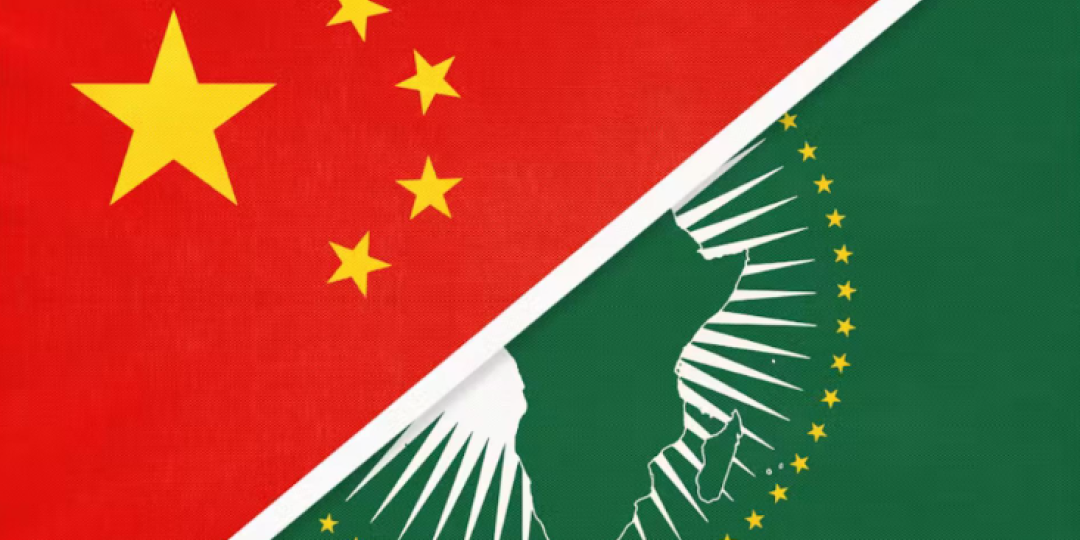
China’s expansion of its zero-tariff policy to include all 53 African countries with diplomatic ties is being viewed as a major step toward deepening economic cooperation and reshaping Africa’s trade relationship with the world’s second-largest economy.
The policy, which grants duty-free access to Chinese markets across all tariff lines, is designed to strengthen South-South trade and support greater industrial and export development across the African continent.
Shift from raw exports to value addition
Analysts say the key impact of the policy lies not only in tariff elimination but in its potential to transform Africa’s export structure. For decades, African exports to China have been dominated by raw materials and unprocessed agricultural goods. These include coffee, tea, nuts, spices, avocados, flowers, seafood and other specialty products.
With zero-tariff access now extended to processed and semi-processed goods, African economies are being encouraged to move further up the value chain by expanding local manufacturing and agro-processing industries.

Products such as cotton, for example, could increasingly be processed into textiles and apparel for export, rather than being shipped in raw form.
Boost for SMEs and digital trade
The policy also opens new opportunities for small and medium-sized enterprises (SMEs), including women- and youth-led businesses, by enabling direct access to China’s large e-commerce ecosystem.
Digital trade platforms are expected to play a key role in reducing market entry barriers, allowing African producers to reach Chinese consumers without relying solely on traditional export channels.
However, experts note that success will depend on improvements in digital infrastructure, logistics systems, payment solutions, and export readiness across African economies.
Agriculture and compliance requirements
Agriculture remains one of the strongest pillars of Africa–China trade. While zero-tariff access improves competitiveness, long-term gains will depend on meeting strict market requirements.
These include sanitary and phytosanitary (SPS) standards, quality assurance systems, traceability frameworks, and cold chain logistics to ensure product safety and reliability.
Investment and industrial growth potential
The policy is also expected to stimulate foreign direct investment in Africa, particularly in manufacturing, industrial parks, logistics hubs, and export-oriented production facilities.
By removing tariff barriers, China is creating stronger incentives for companies to base production in Africa for duty-free access to its domestic market.
Toward a structural shift in trade
While the zero-tariff initiative is widely seen as a significant opportunity, analysts emphasize that tariffs alone will not determine competitiveness.
The long-term impact will depend on how effectively African countries strengthen industrial capacity, improve production systems, expand logistics infrastructure, and integrate digital trade platforms.
Ultimately, the policy is expected to support a broader shift in Africa–China trade — from reliance on raw commodity exports toward more diversified, value-added, and technology-driven economic engagement.