


South Africa’s light commercial vehicle (LCV) industry is facing growing export challenges in 2026, even as domestic demand for locally manufactured bakkies remains relatively robust. New industry data highlights a widening gap between local sales performance and export volumes, raising concerns for one of the country’s most important automotive manufacturing segments.
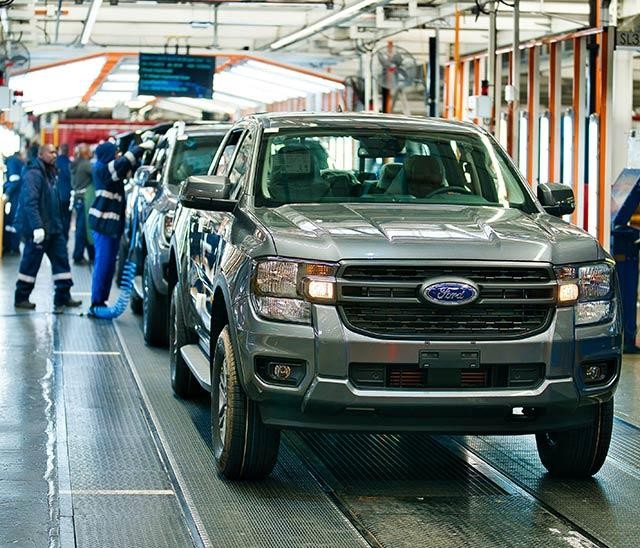
The South African automotive industry has long relied on bakkie production as a key contributor to both industrial output and export earnings. Popular models such as the Toyota Hilux, Ford Ranger and Isuzu D-Max are not only market leaders domestically but also serve as major export products for international markets across Africa, Europe and other regions.
According to data released by the Automotive Business Council (Naamsa), local LCV sales recorded a strong start to the year, reaching their highest level in March when more than 15,500 units were sold. During the same month, exports of locally produced bakkies surged to nearly 12,000 units, representing the strongest export performance recorded in 2026.
However, the positive momentum proved short-lived. While domestic sales experienced some fluctuations, overall demand remained resilient. Sales dipped in April before recovering modestly in May, with more than 11,000 units sold during the month. The performance reflects continued demand from consumers and businesses that rely on bakkies for commercial operations, transport and logistics activities.
Export figures tell a different story. Following a weak start to the year, overseas shipments experienced a temporary rebound in March before declining sharply once again. Exports fell to just over 8,000 units in April and dropped further to 6,382 units in May.

The decline has significantly impacted the sector’s export outlook. By the end of May, bakkie exports had fallen by 34.7% year-on-year, while May’s export performance alone represented a nearly 50% decline compared to the same period in 2025.
Industry analysts attribute the slowdown to a combination of global and domestic factors. Rising protectionist policies in several key export destinations have increased market barriers for South African vehicle manufacturers. At the same time, stricter environmental and decarbonisation requirements in international markets are creating additional compliance challenges for exporters seeking to remain competitive.
Geopolitical instability has also added pressure to global trade flows. Ongoing tensions in the Middle East and broader economic uncertainty have disrupted demand patterns in several destination markets, affecting vehicle exports from South Africa.
Naamsa has previously warned that the country’s automotive export sector is entering a more complex trading environment where manufacturers must contend with evolving regulations, geopolitical risks and increasing competition from international producers.
The industry’s export performance may also have been influenced by production adjustments linked to model upgrades among major manufacturers. Several leading automakers have introduced significant updates to their bakkie ranges during 2026. Toyota is preparing to launch the next-generation Hilux, while Ford has undertaken extensive changes to its Ranger lineup and Isuzu has refreshed its D-Max range.
These production transitions often result in temporary manufacturing disruptions as factories adjust assembly lines and prepare for new model rollouts, which can affect short-term export volumes.
Despite the current challenges, South Africa remains one of the continent’s leading automotive production hubs. The continued strength of domestic bakkie sales demonstrates the enduring popularity of light commercial vehicles in the local market. However, the sharp decline in exports highlights the need for manufacturers and policymakers to address competitiveness challenges if the country is to maintain its position as a major vehicle exporter in an increasingly demanding global marketplace.
As the year progresses, industry stakeholders will be closely monitoring export recovery efforts, global trade developments and production output from South Africa’s leading vehicle assembly plants.