


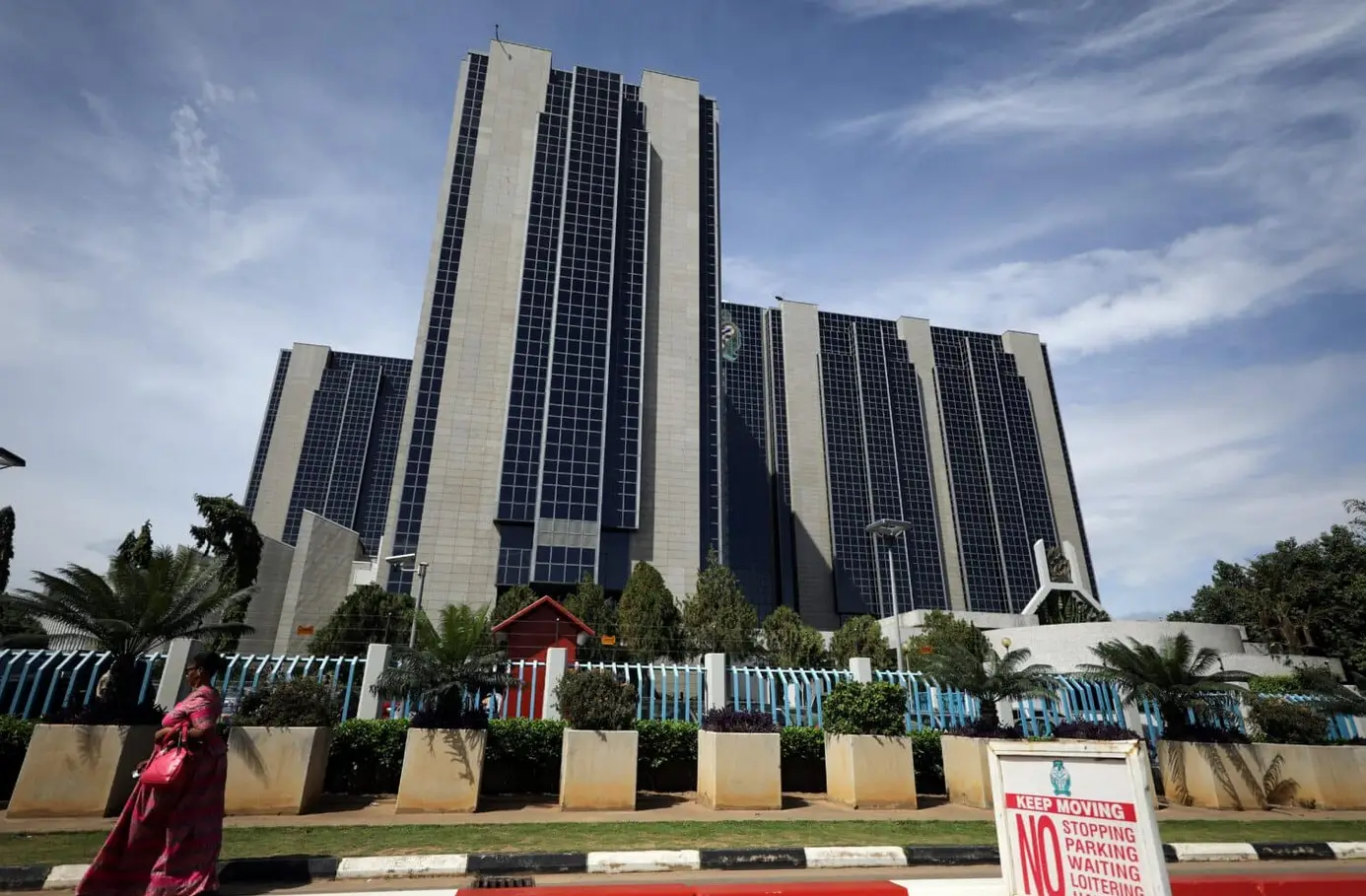
Nigeria has taken a significant step toward reforming its financial system by easing foreign exchange restrictions on oil export earnings. The move, announced by the Central Bank of Nigeria, allows international oil companies to retain and repatriate 100% of their export proceeds immediately—marking a shift toward a more liberalised foreign exchange regime.
The policy reverses an earlier directive introduced in 2024, when Nigeria faced a severe dollar shortage. At the time, authorities required oil firms to participate in a “cash pooling” system, which obligated them to hold a portion of their export revenues in local banks for up to 90 days. While intended to support liquidity in the domestic market, the measure created operational constraints for investors and added pressure on cash flow management.
By removing these limits, Nigeria is signalling a more flexible and investor-friendly approach. The reform is part of a broader strategy to stabilise the naira, improve dollar liquidity, and rebuild confidence in the country’s financial markets. For international oil companies, the ability to freely access and move their earnings reduces financial risk and enhances operational efficiency.
Although the immediate impact on dollar supply may be limited, industry stakeholders view the decision as a critical step in restoring trust. Greater flexibility in managing export revenues is expected to make Nigeria a more attractive destination for investment, particularly in the oil and gas sector, which remains central to the country’s economy.
The policy shift also reflects Nigeria’s ongoing efforts to align its foreign exchange framework with global best practices. By easing restrictions and improving transparency, authorities aim to create a more predictable business environment that supports long-term economic stability.

As Africa’s largest oil producer, Nigeria’s reforms carry broader implications for regional markets. A more stable and accessible foreign exchange system could enhance trade flows, strengthen investor sentiment, and position the country for more sustainable economic growth in the years ahead.