


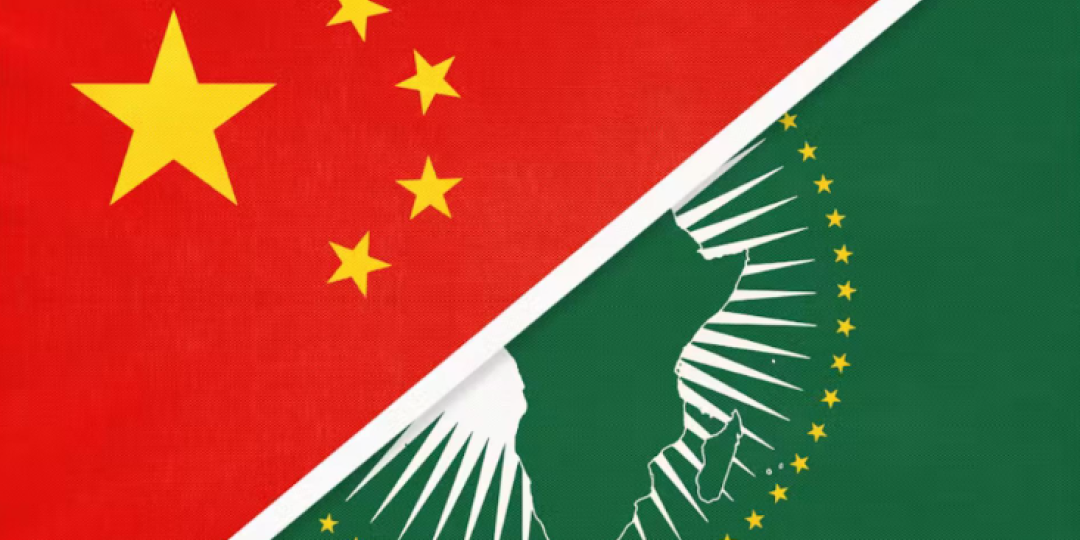
China’s decision to expand zero-tariff access for African exports is expected to accelerate trade flows, strengthen agricultural and industrial exports, and deepen Africa’s integration into global supply chains as exporters seek new growth markets beyond traditional Western economies.
The policy, which took effect on 1 May 2026, extends preferential zero-tariff treatment to all African countries that maintain diplomatic relations with China, making Beijing the first major economy to offer unilateral full tariff-free market access to African exporters.
The move broadens an earlier framework introduced in December 2024, when China granted zero-tariff treatment on 100% of tariff lines for 33 least-developed African countries. Under the latest expansion, an additional 20 African countries now qualify for the arrangement between May 2026 and April 2028.
The development is expected to create significant export opportunities for African agricultural producers, agro-processors, energy exporters and manufacturers seeking access to the world’s second-largest consumer market.
According to data released by Chinese customs authorities, trade between China and Africa rose by 22.8% year-on-year during the first four months of 2026, reaching US$126.85 billion as demand for African commodities, food products and energy supplies continued to grow.

Analysts say the tariff cuts could particularly benefit African agricultural exporters as Chinese demand rises for products such as coffee, cocoa, avocados, citrus, nuts and processed foods.
Jervin Naidoo, an Africa analyst at Oxford Economics, said the removal of tariffs would improve the competitiveness of African products within the Chinese market while opening opportunities for export diversification and industrial development.
“While the immediate gains will likely be strongest in agriculture, the broader opportunity lies in helping African economies move further up the value chain and diversify exports,” Naidoo said.
He added that the policy could support industrialisation if African countries strengthen logistics, processing capacity and export-oriented manufacturing.
China’s customs authorities said the policy is intended to lower import costs for African products while supporting job creation and production growth across the continent.
Guo Xueyan, Director-General of International Cooperation at the General Administration of Customs of China, said the initiative would improve the competitiveness of African exports and strengthen long-term trade partnerships between China and African economies.
Energy exports are also expected to benefit significantly from the tariff reductions.
African producers of liquefied petroleum gas and other energy products, particularly in countries such as Nigeria and Algeria, are already seeing improved competitiveness in the Chinese market following the removal of import duties.
Chinese energy importer Jovo Energy Co Ltd said tariff reductions on liquefied propane imports from Africa would lower costs and improve supply competitiveness compared with traditional Middle Eastern suppliers.
The company estimates savings of approximately 3 million yuan (about US$442,000) on upcoming imports from African producers.
Coffee exports are emerging as another major growth area.
Chinese demand for premium African coffee continues to rise, particularly from producers in Kenya, Ethiopia and Uganda.
According to customs data, the Chinese city of Kunshan imported 650 million yuan worth of green coffee beans during the first quarter of 2026, with imports from African suppliers accounting for more than 12% of China’s total green coffee bean imports.
Nanjing-based importer Nanjing Kenbei International Trade Co said the tariff removal on Kenyan coffee beans would significantly reduce import costs while increasing sourcing volumes from East Africa.
Industry stakeholders say the policy shift also arrives at a strategic moment as African countries intensify efforts to diversify export destinations amid growing uncertainty in global trade markets.
The tariff expansion aligns with broader African efforts to strengthen export-led growth under the African Continental Free Trade Area framework while attracting investment into agro-processing, manufacturing and logistics infrastructure.
Economists note that the long-term benefits will depend on Africa’s ability to scale production, improve infrastructure and develop stronger value-addition industries capable of supplying higher-value goods into Asian markets.
For many African economies, the new tariff framework presents an opportunity not only to increase exports but also to accelerate industrialisation, expand employment and reduce dependence on raw commodity exports.