


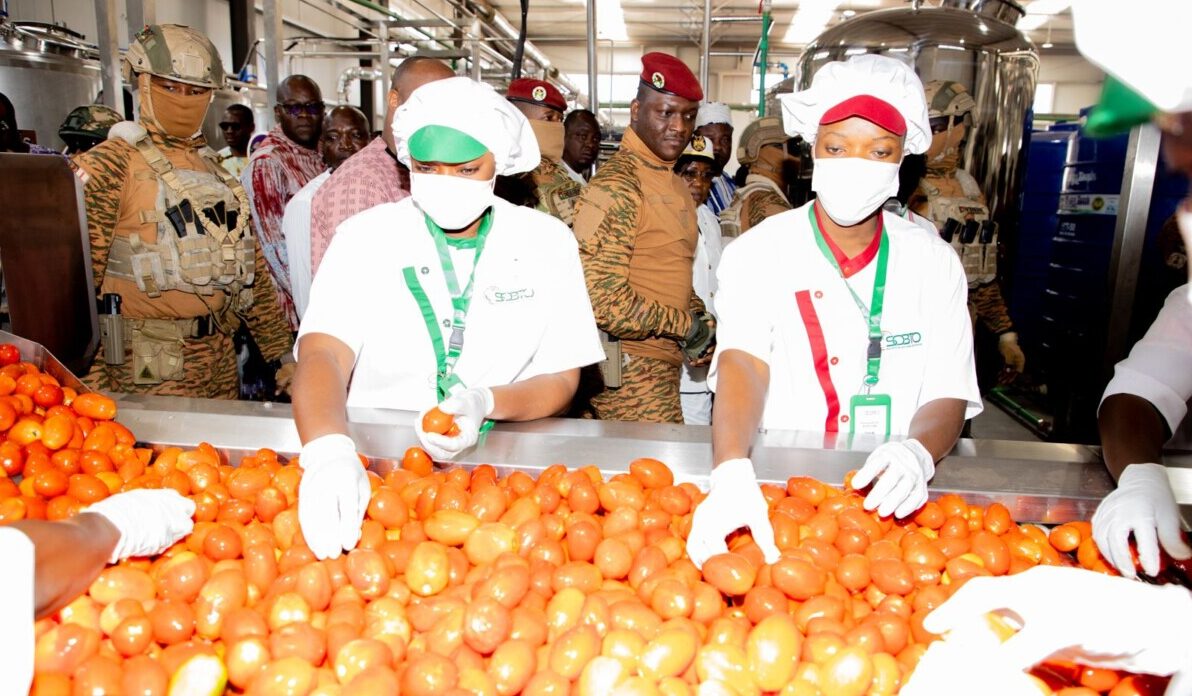
The recent decision by Burkina Faso to ban fresh tomato exports is raising concerns across West Africa, as traders and consumers monitor potential impacts on supply and prices.
Introduced in mid-March 2026, the policy aims to support the country’s domestic processing industry by retaining more raw produce within national borders.
Ghana and Neighbouring Markets on Alert
Ghana is among the countries most likely to feel the impact, as it relies heavily on tomato imports from Burkina Faso—especially during periods of low local production.
Cross-border trade routes into northern Ghana play a crucial role in maintaining supply to local markets. Any disruption could:

- Reduce availability of fresh tomatoes
- Lead to short-term price increases
- Pressure local supply chains
While the full impact is not yet clear, traders are closely watching market developments.
Regional Trade Networks at Risk
Other countries dependent on Burkina Faso’s tomato exports include:
- Côte d’Ivoire
- Togo
- Benin
Much of this trade occurs through informal cross-border channels, making it difficult to track through official data. However, these networks are vital for:
- Supplying urban food markets
- Supporting small-scale traders
- Stabilizing regional food distribution
Any disruption is therefore likely to be felt quickly at the market level.
Push for Local Value Addition
Burkina Faso’s government says the export ban is part of a broader strategy to promote agro-processing and value addition.
By restricting exports, authorities aim to:
- Ensure consistent supply for local processing plants
- Boost production of tomato paste and related products
- Strengthen domestic manufacturing capacity
This approach reflects a growing trend across Africa, where governments are prioritizing local industry over raw commodity exports.
Uncertain Outlook for Regional Markets
While the policy may benefit Burkina Faso’s processing sector in the long term, its regional implications remain uncertain.
Neighbouring countries may need to:
- Diversify supply sources
- Increase local production
- Adjust trade flows
Market reactions—including changes in pricing and availability—are expected to become clearer in the coming weeks.
Conclusion
Burkina Faso’s tomato export ban highlights the delicate balance between domestic industrial policy and regional food supply. As West African markets adjust, the decision could reshape cross-border agricultural trade dynamics in the short term.