


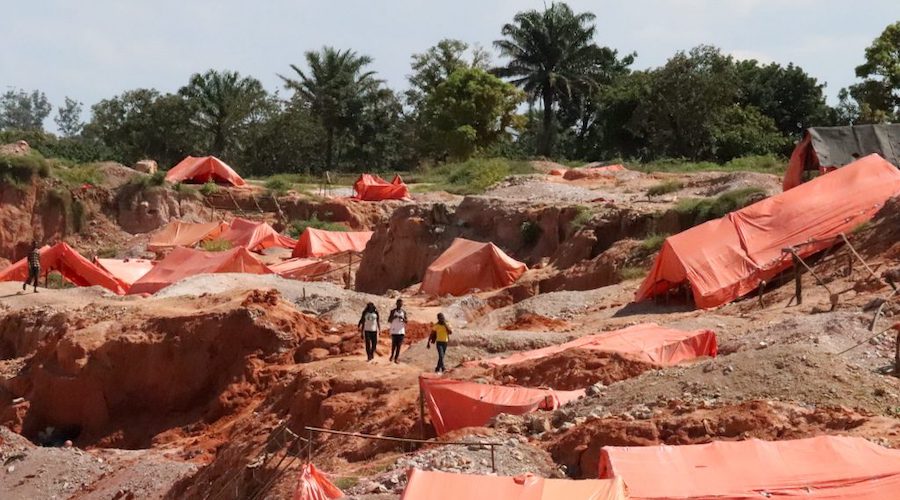
A global shortage of cobalt is expected to persist through the end of the decade, as export restrictions from the Democratic Republic of the Congo continue to disrupt supply chains, according to commodity trader Darton Commodities.
Export Curbs Trigger Supply Crunch
The DRC, which accounts for more than 70% of global cobalt production, introduced an export ban in early 2025 before replacing it with strict export quotas later in the year. The measures were aimed at reducing excess supply and supporting prices.
As a result, global cobalt shipments declined sharply, pushing the market into a significant supply deficit.
According to data from Fastmarkets, cobalt prices have surged by more than 160% since the restrictions were imposed, while cobalt hydroxide—a key export product from the DRC—has more than quadrupled in price.

Deficits Expected Through 2030
Darton estimates that the cobalt market recorded a deficit of over 82,000 tonnes last year, driven by reduced exports and tightening supply.
While existing stockpiles helped cushion the immediate impact, these reserves are now being steadily depleted.
Global refined cobalt production also fell by around 20% in 2025, marking the first decline in five years. Although a smaller deficit is expected in the short term, analysts predict that supply shortages will continue annually through 2030.
Pressure on Battery and Industrial Markets
Cobalt is a critical material used in electric vehicle batteries, aerospace and defense industries, meaning supply disruptions are already creating price pressures across downstream markets.
As raw material shortages deepen, manufacturers are increasingly facing higher input costs, which could impact production and pricing in key industries.
Shifting Supply Chains and Rising Risks
In response to supply constraints, global buyers are looking to alternative sources. Imports of mixed hydroxide precipitate (MHP)—a nickel product containing cobalt—from countries like Indonesia are expected to rise.
However, Darton warns that these alternatives come with risks, including environmental concerns, sulfur supply disruptions and limited ore availability.
Meanwhile, delays in implementing new export procedures in the DRC have slowed the resumption of shipments, although new supplies are expected to begin reaching China in mid-2026.
Market Adjustments and Long-Term Impact
The ongoing supply constraints are exposing the fragility of the global cobalt supply chain, prompting increased investment in material substitution and product diversification.
Some manufacturers are already exploring alternatives to cobalt in battery production, a shift that could moderate long-term demand growth.
At the same time, analysts suggest the DRC may consider easing export quotas to balance market stability, prevent demand destruction and maximize revenues in a high-price environment.
Despite these potential adjustments, the outlook remains clear: tight supply conditions are likely to define the global cobalt market for the rest of the decade.