


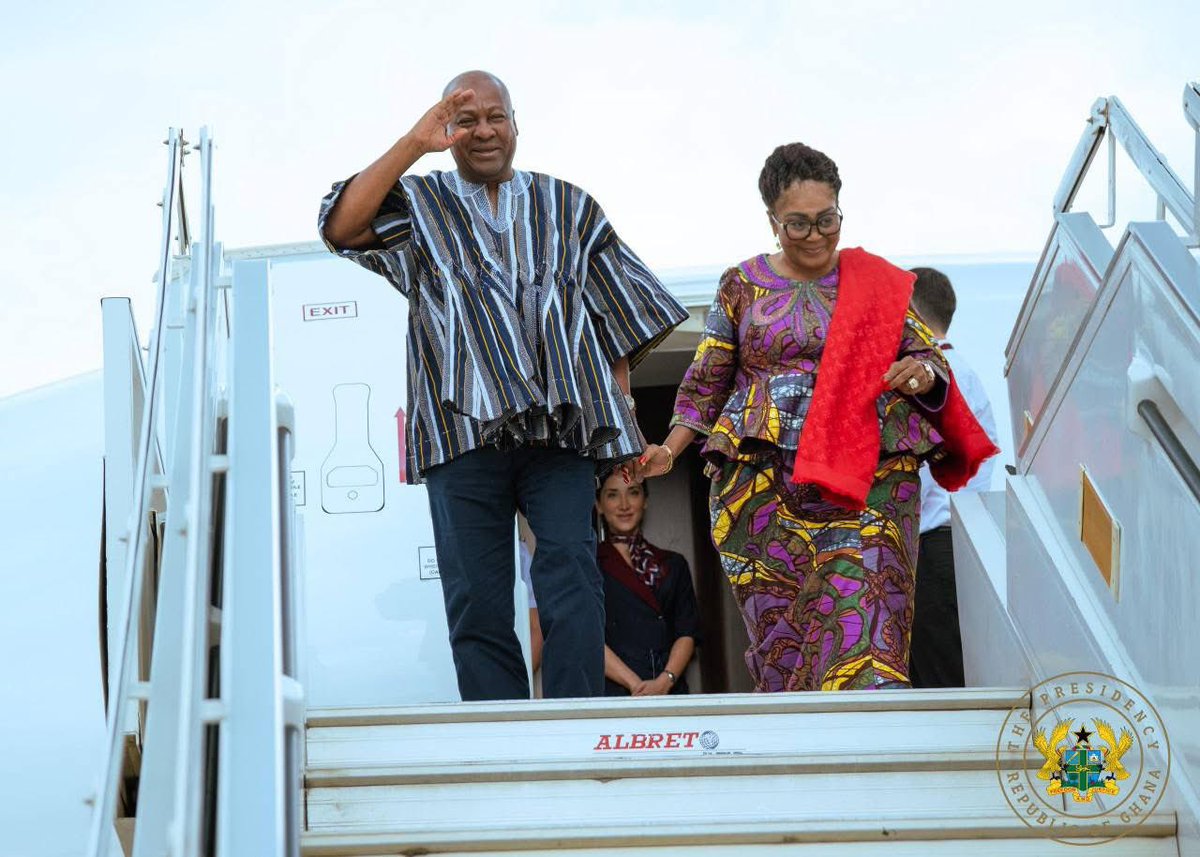
Ghana and Zambia have reaffirmed their commitment to strengthening long-standing bilateral relations, with renewed focus on expanding intra-African trade and unlocking investment-led growth under the African Continental Free Trade Area (AfCFTA).
The pledge follows high-level engagements between John Dramani Mahama and Hakainde Hichilema, during which both leaders agreed to scale up cooperation in trade, investment and value addition, while exploring new partnership opportunities aligned with AfCFTA priorities.
Regional integration takes centre stage
The discussions come at a time when African economies are increasingly prioritising regional integration, industrialisation and economic resilience amid persistent global uncertainty. Despite growing political momentum behind AfCFTA, intra-African trade still accounts for only about 14–15% of the continent’s total trade—well below levels seen in Europe, Asia and the Americas.
Speaking to Channel Africa, Zambia-based economist Trevor Hambayi said strengthening bilateral ties between African countries remains critical to unlocking the full potential of AfCFTA.

He described the engagement between Ghana and Zambia as strategically important, noting that Africa continues to trade more with Europe and other external markets than with its neighbours—limiting the continent’s ability to add value to its own resources and retain economic gains.
Free movement and logistics bottlenecks
Hambayi highlighted ongoing discussions around easing visa requirements between the two countries as a particularly significant development. He argued that freer movement of people is a key enabler of trade, investment and skills exchange, and that reducing travel barriers would make intra-African commerce more seamless and competitive.
However, he pointed to chronic logistics constraints as one of the main structural barriers historically limiting trade between Ghana and Zambia. Transport and freight infrastructure linking African economies, he said, remains underdeveloped compared with infrastructure designed to connect the continent to overseas markets.
While air connectivity has improved in recent years, land and sea freight routes between regions such as West and Southern Africa remain poorly integrated. These gaps, Hambayi noted, raise transaction costs and make trading within Africa more complex and expensive than trading with distant markets.
Sectoral opportunities: agriculture, mining and manufacturing
Hambayi identified agriculture, mining and manufacturing—sectors highlighted in recent memoranda of understanding—as immediate opportunities for expanding bilateral trade.
Agriculture, he said, remains Africa’s strongest resource base, supported by vast arable land and abundant water resources. Ghana’s dominant position in cocoa production, for example, presents opportunities for collaborative value-addition industries that could help retain more economic value within the continent.
Mining represents another area of strong alignment, while manufacturing offers scope to link resource endowments with industrial development. Hambayi also pointed to tourism as an emerging opportunity, supported by Africa’s rapidly growing population, which is expected to approach two billion by 2030—creating significant demand for domestic and regional travel.
Turning agreements into trade flows
On ensuring AfCFTA commitments translate into tangible trade outcomes, Hambayi stressed that infrastructure development must be prioritised. Improved road networks, efficient border management systems and stronger air-freight connections between West and Southern Africa would form the backbone of predictable, large-scale trade flows.
He cautioned, however, that such infrastructure cannot rely solely on government funding. Bilateral initiatives must incorporate private-sector partners capable of mobilising capital, reducing delays and improving cost efficiencies.
Regulatory reform is equally critical, Hambayi added. Trade agreements alone are insufficient without harmonised customs procedures, predictable rules and transparent systems that make it easier for businesses to operate across borders. Private-sector participation, he said, is essential not only in financing infrastructure but also in shaping operational frameworks that are commercially viable.
A potential AfCFTA model
While the political will demonstrated by Ghana and Zambia is encouraging, Hambayi concluded that success will depend on translating commitments into measurable trade flows. That will require decisive action to upgrade infrastructure, streamline regulations and actively engage private investors across priority sectors.
If implemented effectively, the partnership could serve as a practical model for how African countries can leverage AfCFTA to deepen regional integration, build resilient economies and capture greater value from trade within the continent.