


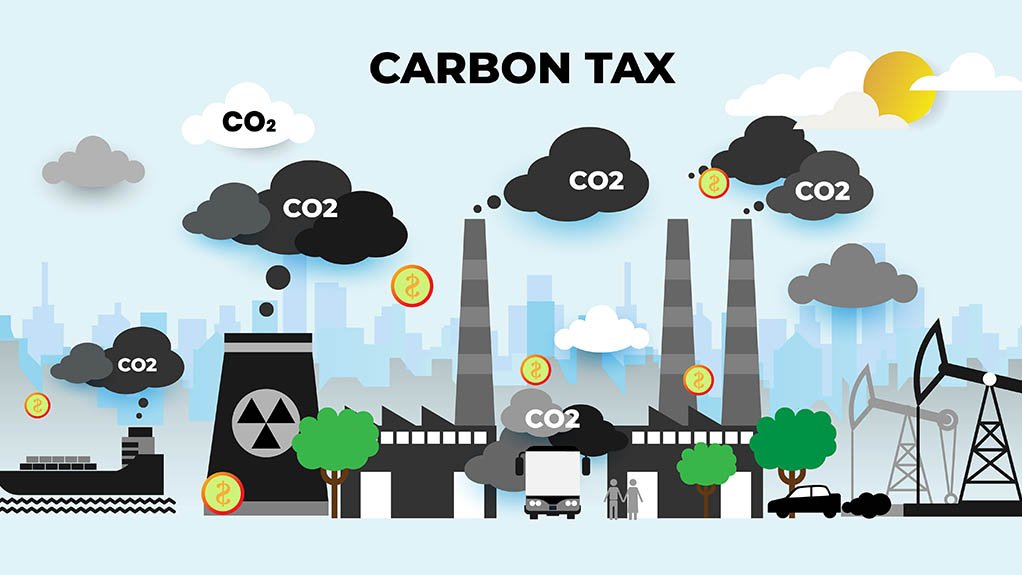
Rabat, Morocco — 6 January 2026, Morocco’s export-oriented industries are entering a decisive adjustment phase following the launch of the Carbon Border Adjustment Mechanism (CBAM), which came into force on 1 January 2026. The European Union’s new carbon border tax targets six carbon-intensive sectors—steel, aluminium, cement, nitrogen fertilisers, hydrogen, and electricity—and is designed to level the competitive playing field between European producers and foreign suppliers while accelerating global decarbonisation.
Under the mechanism, exporters to the EU must now declare the embedded CO₂ emissions associated with their products and, where necessary, purchase carbon certificates aligned with European carbon market prices. For companies that fail to decarbonise their production processes, the resulting carbon costs are expected to range between €60 and €100 per tonne of CO₂, depending on product carbon intensity and prevailing EU allowance prices.
Carbon Accounting Becomes a Trade Requirement
CBAM introduces a new layer of compliance for Moroccan exporters, requiring detailed traceability of industrial processes and emissions data. Where carbon pricing exists in the country of origin but remains below European levels, exporters will be required to pay only the price differential, rather than the full EU carbon cost.
Brussels estimates the mechanism could generate around €3 billion in revenue by 2030, a figure likely to rise as CBAM expands to additional sectors. According to BMCE Capital Global Research, more than 10% of Morocco’s exports could be affected as early as 2026, translating into potential revenue exposure of approximately six billion dirhams, based on 2024 export values. However, exposure varies sharply by sector.

Uneven Impact Across Key Industries
Some Moroccan industries appear relatively insulated. Cement, electricity generation, aluminium, and steel producers are generally well positioned due to existing investments in energy efficiency and renewable. Steel producer Sonasid already manufactures so-called “green steel,” although only about 1% of its output is exported to the EU, with the majority serving domestic demand or markets such as Canada, the United States, and Saudi Arabia.
In hydrogen and fertilisers, Morocco’s long-term strategy aligns closely with CBAM requirements. Commercial hydrogen production is expected to begin in 2027, with OCP Group producing green ammonia, followed by projects led by TotalEnergies in Guelmim. These projects rely on renewable energy and desalinated seawater, positioning them to meet European environmental standards from the outset.
Fertilisers, Textiles and Agri-Food Most Exposed
The nitrogen fertiliser sector remains Morocco’s most vulnerable to carbon taxation due to its energy-intensive production profile. Beyond 2027–2028, analysts expect textiles and agri-food exports—both heavily reliant on the EU market—to face increasing CBAM-related pressure, even though these sectors are not yet fully covered by the mechanism.
While some northern Moroccan industrial clusters have benefited from direct pressure from European clients to decarbonise, upstream agriculture continues to face structural challenges, particularly in reducing chemical input use—an issue that directly affects agro-industrial carbon footprints.
Logistics and Infrastructure Also Under Scrutiny
CBAM’s implications extend beyond manufacturing into logistics and port infrastructure. Tangier Med Port, which handled 8.6 million containers in 2023, will need to ensure operational alignment with emerging European environmental standards to maintain its role as a leading transshipment hub between Europe, Africa, and the Americas.
A Structural Shift in Trade Competitiveness
For Morocco, CBAM represents more than a trade hurdle—it is a structural signal reshaping access to one of its most important export markets. Competitiveness in Europe is increasingly defined by a company’s ability to combine economic performance with verified climate compliance.
As CBAM implementation deepens, Moroccan producers and their international partners face a clear choice: accelerate decarbonisation and embed low-carbon production models, or absorb higher costs and risk reduced access to one of the world’s most demanding and lucrative markets.