


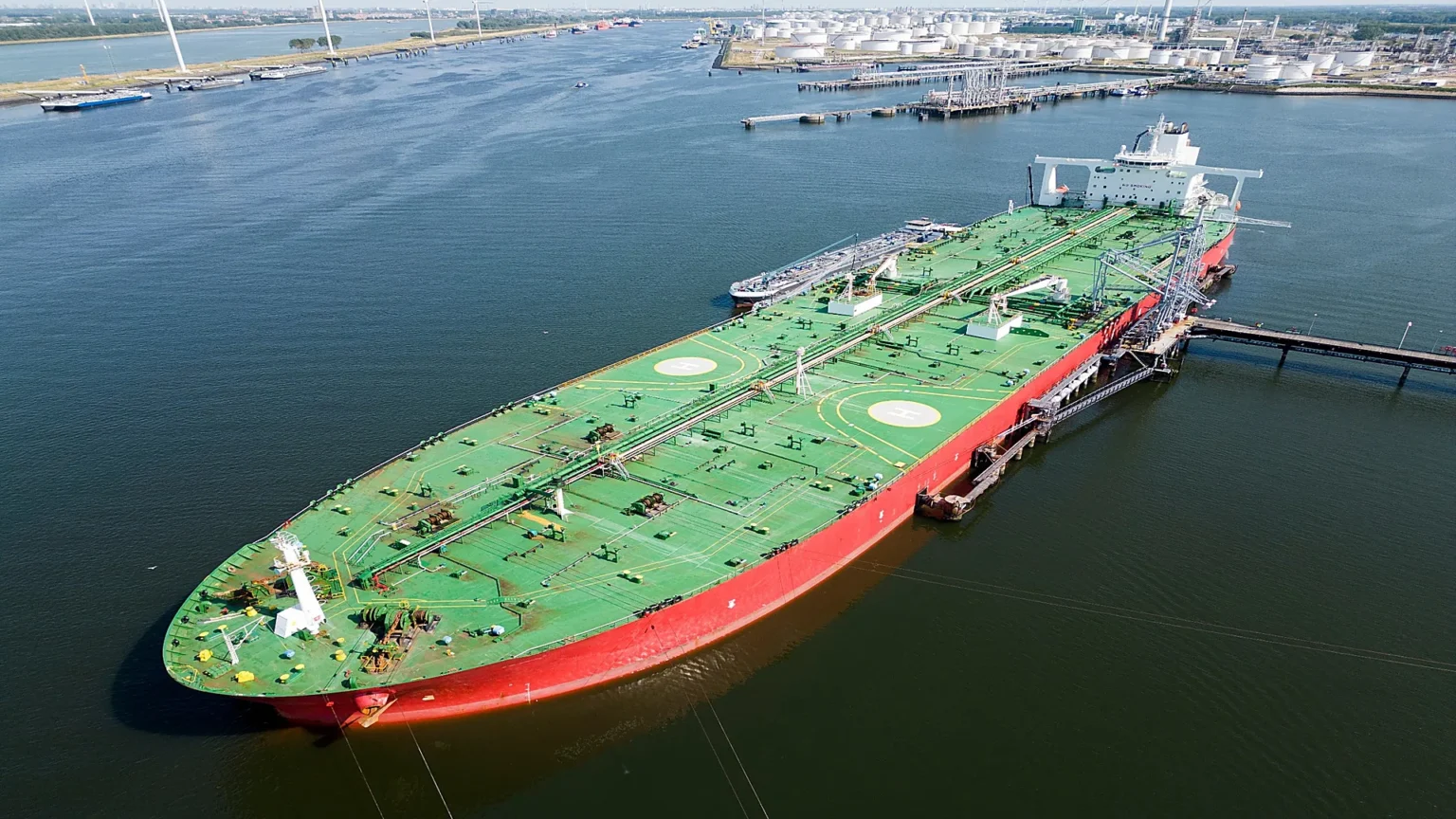
Lower international tanker freight rates are improving the competitiveness of crude oil from West Africa and Brazil in Asian markets, encouraging refiners in China and South Korea to diversify their supplies and take advantage of more favourable shipping costs.
The decline in transportation costs follows exceptionally high tanker rates recorded in October 2026, which had made long-distance crude shipments less attractive. With freight rates easing, supplies from countries including the Republic of Congo, Gabon, Angola and Brazil are gaining renewed interest from Asian buyers.
According to Reuters, Chinese and South Korean companies have resumed purchasing West African crude as shipping conditions improve, while transportation costs for oil originating in the Persian Gulf remain relatively high.
Chinese and South Korean refiners increase African crude purchases
Among the latest buyers is Unipec, the trading subsidiary of Chinese state-owned oil major Sinopec, which has acquired two cargoes of Djeno crude from the Republic of Congo.

Traders cited by Reuters said the shipments were purchased at a discount of approximately $22 per barrel against Dated Brent.
South Korea’s SK Energy has also responded to the changing market conditions, provisionally booking a Suezmax tanker to transport Gabonese crude to the port of Ulsan in December.
Chinese buyers are also showing renewed interest in Angolan crude, supported by rising prices for Russian ESPO crude and lower transportation costs from Atlantic export terminals.
Brazil is experiencing a similar trend, with shipments of Tupi crude trading at lower premiums than in October, improving their competitiveness against alternative supplies available to Asian refineries.
Tanker freight rates retreat from October highs
The renewed interest in African and Brazilian oil is closely linked to developments in the global shipping market.
Rates for very large crude carriers (VLCCs) have declined by approximately 50% since their October peaks. Suezmax and Aframax tanker rates have also recorded significant reductions.
For Asian refiners, the decline translates into substantial savings when importing crude from distant producing regions.
Industry estimates indicate that transportation costs on some routes to China have fallen by between $5 and $10 per barrel compared with the previous month.
Wanying Zhang, a shipping analyst at Vortexa, attributed the correction partly to improved vessel availability following the tanker shortages experienced during much of October.
Maritime activity has also shown signs of recovery, with the number of VLCC and Suezmax tankers loaded in East Asia increasing by approximately 15% since the beginning of September.
The improved availability of vessels has helped ease shipping constraints and created more favourable conditions for international crude oil trade.
Persian Gulf shipments remain comparatively expensive
Despite the decline in freight rates across several international routes, transporting crude from the Middle East to Asian markets continues to face logistical challenges.
The Strait of Hormuz remains a major constraint, with some producers relying on ship-to-ship transfers outside the strait to maintain export movements.
Under this arrangement, smaller vessels transport crude through the strait before transferring their cargoes to larger tankers in the Gulf of Oman.
Although the approach allows exports to continue, it requires additional vessels and more complex logistical coordination, keeping transportation costs elevated.
During October, VLCC rates for transporting crude from the Persian Gulf to Asia reached approximately $1.4-million per day before subsequently declining.
These logistical pressures have helped improve the relative competitiveness of crude supplies from Atlantic-producing regions.
African producers gain access to wider Asian markets
The changing freight environment is creating additional commercial opportunities for African oil producers seeking to strengthen their position in Asian markets.
Lower transportation costs make crude from the Republic of Congo, Gabon and Angola more attractive to Asian refiners, particularly when competing against supplies from the Middle East and Russia.
However, purchasing decisions will continue to depend on several factors beyond freight rates, including crude quality, pricing premiums, refinery requirements and total delivered costs.
For African producers, improved shipping economics could support stronger export demand and provide greater access to major Asian consuming markets.
The sustainability of this trend will depend on future tanker availability, international freight rates and price movements across competing crude oil grades.
For now, the reduction in shipping costs is improving the commercial appeal of African and Brazilian crude, offering producers an opportunity to strengthen their participation in Asia’s oil supply market.