


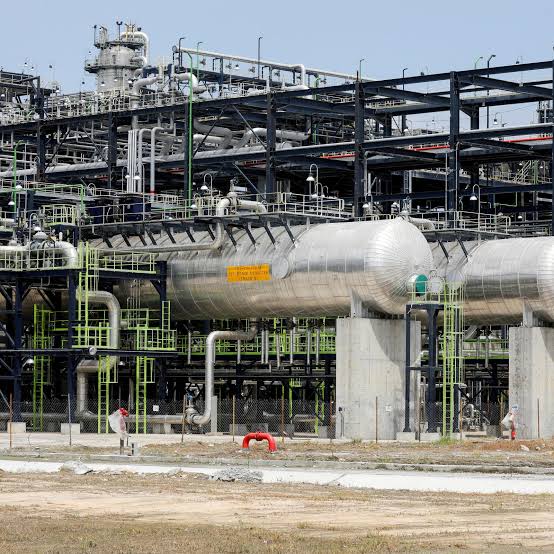
Kenya is targeting December 2026 to begin commercial crude oil exports from the Turkana region, more than 14 years after oil was discovered in the South Lokichar Basin. The government hopes the long-delayed project will create a new source of export revenue and strengthen the country’s energy sector.
President William Ruto announced the target on October 20, saying development work in the Lake Turkana Basin was progressing and that oil exports were expected to begin in December. However, financing constraints, infrastructure requirements and ongoing development negotiations continue to create uncertainty around the timetable.
Kenya’s energy regulator had previously indicated that production could begin in December, with the first commercial shipments expected to leave Mombasa in the first quarter of 2027. The difference between the production and export timelines highlights the remaining challenges facing the project.
Gulf Energy Leads Development of Turkana Oilfields
Oil was discovered in the South Lokichar Basin in 2012 by Tullow Oil and its partners. Despite the discovery, commercial development faced years of delays linked to financing, infrastructure requirements and questions about the project’s commercial viability.

Kenyan energy group Gulf Energy is now leading the development through its affiliate, Auron Energy E&P Limited, after acquiring Tullow Oil’s entire working interest in Kenya. The transaction was completed in September 2025 for a minimum cash consideration of $120 million, according to Tullow Oil’s 2025 annual report.
The project is expected to begin with production of approximately 20,000 barrels of crude oil per day, with the potential to increase output to 50,000 barrels per day as development advances.
A drilling rig supplied through a long-term lease arrangement with China’s Great Wall Drilling Company arrived at the Port of Mombasa in September, ahead of drilling scheduled for November.
Kenya has previously shipped crude oil under its Early Oil Pilot Scheme. In 2019, the country exported approximately 200,000 barrels, generating about $12 million in revenue. That programme tested the market for Kenyan crude before full commercial development.
The latest initiative therefore represents an attempt to establish sustained commercial production rather than the country’s first-ever oil exports.
Turkana Crude Could Supply Proposed Lamu Refinery
Beyond generating direct export earnings, Kenya’s oil development could form part of a broader plan to establish the country as a regional energy and refining hub.
The government has outlined plans for a pipeline linking the South Lokichar Basin to Lamu on the coast. The proposed infrastructure could transport crude oil from Turkana to a planned refinery backed by Nigerian industrialist Aliko Dangote, with a proposed capacity of 700,000 barrels per day.
If developed, the pipeline and refinery could create additional opportunities for domestic oil processing, energy infrastructure investment and regional petroleum trade. However, both projects would require substantial investment and further development before they could support commercial operations.
For Kenya, the December export target represents an important milestone after years of delays. Successful commercial production could diversify the country’s export earnings and strengthen its external position, but the timing will depend on progress in drilling, financing and the infrastructure needed to move crude oil to market.