


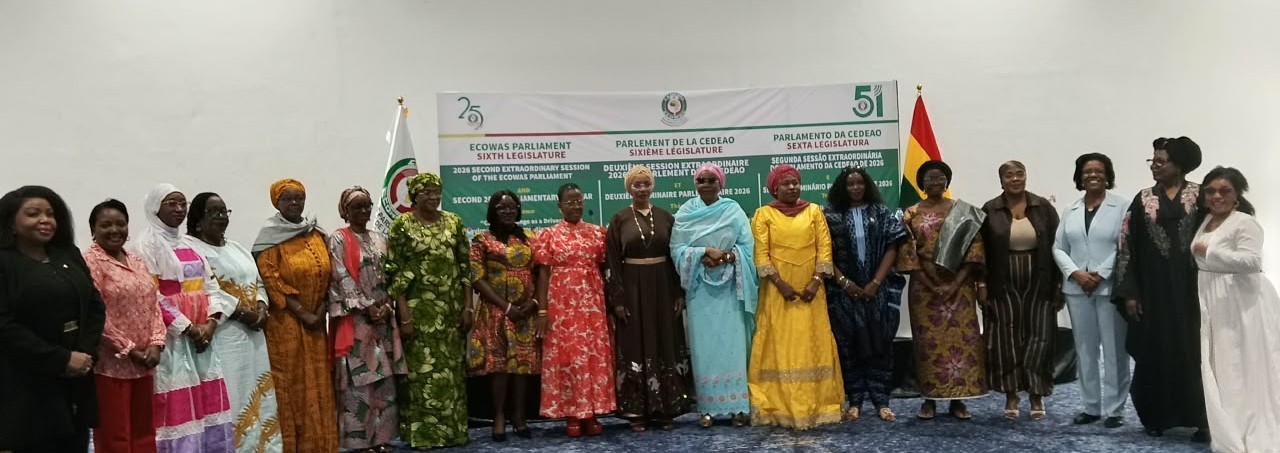
Women entrepreneurs across West Africa have been urged to strengthen their skills, technology and access to resources to build businesses capable of competing in regional and international markets.
The call was made by the Female Parliamentarians’ Association of the Economic Community of West African States (ECOFEPA) during an Executive Masterclass focused on advancing women’s participation in global trade and expanding export opportunities across the ECOWAS region.
The programme brought together female parliamentarians, entrepreneurs, exporters and other stakeholders to examine ways of improving women’s access to finance and markets while strengthening their participation in trade, investment and decision-making.
Speaking on behalf of ECOFEPA President, First Vice-President Hon. Zainab Gimba said women needed to move beyond participation in economic activity and take a larger role as drivers of trade, investment and innovation.
She identified limited access to finance, market information, technology and business networks, as well as inadequate representation in decision-making, among the challenges restricting the growth of women-owned businesses in the region.

For women seeking to enter export markets, Gimba highlighted the importance of understanding product standards, certification, packaging, branding and logistics. Knowledge of customs procedures, digital commerce and the requirements of international buyers was also identified as important for businesses seeking to scale beyond domestic markets.
She called on governments, financial institutions, development partners and the private sector to expand access to financing, trade infrastructure, market information, mentorship and business networks for women entrepreneurs.
Representing Ghana’s Minister for Gender, Children and Social Protection, Legal Adviser Ms Nnali Bennis-Wallace said women already play important roles across West Africa’s economies as farmers, processors, manufacturers, traders, service providers, exporters and entrepreneurs.
However, many women-owned businesses remain in the informal economy, limiting their ability to access finance, technology, market information, business networks and larger markets.
Bennis-Wallace called for stronger efforts to position women as producers, exporters, investors, innovators and decision-makers. She also highlighted regional and continental trade frameworks as opportunities for women-owned enterprises to expand beyond local markets.
She further advocated greater access to digital platforms, technology, finance and market intelligence, alongside improved data on women’s participation in trade.
Improving these areas could help more women-owned enterprises meet export requirements, connect with buyers and participate in regional and international value chains as West African markets become increasingly integrated.