


South Africa is set to deepen its fresh produce trade with China, with a new stonefruit export protocol expected to be formally signed by the two countries’ agriculture ministers in Beijing next week.
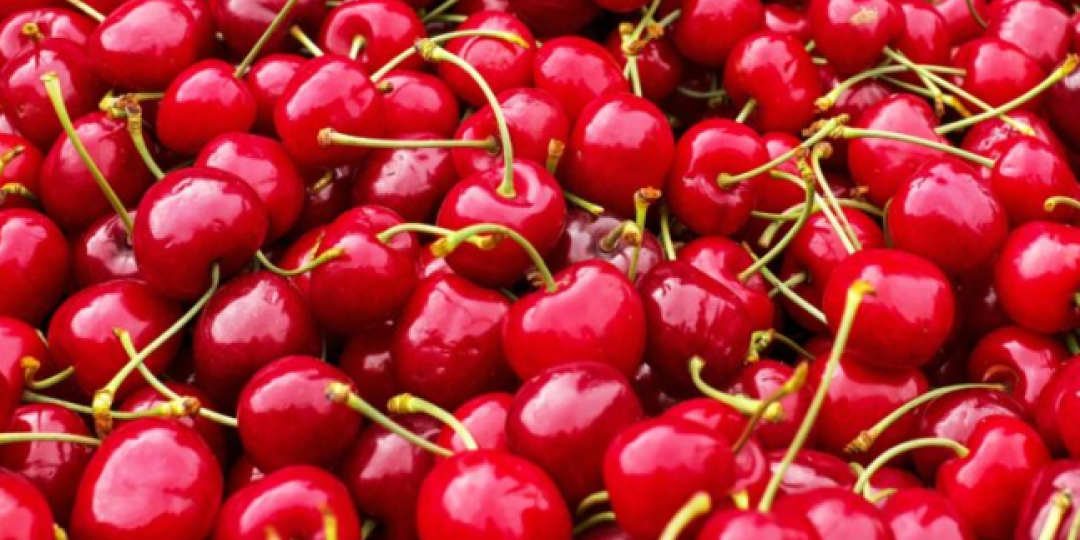
The agreement will include South African cherries, marking an important expansion of market access for the country’s stonefruit industry. The initial protocol was signed last year, but the final agreement will now incorporate cherries as part of the export framework.
South Africa’s stonefruit sector is preparing for its first full export campaign to China in the season beginning in October. Industry expectations are that nectarines and plums will account for much of the initial trade, particularly mid- and late-season varieties that are expected to appeal to Chinese consumers.
The development follows significant investment and varietal changes within South Africa’s stonefruit industry over the past decade, with growers introducing new varieties aimed at meeting international consumer preferences and strengthening the country’s competitiveness in Asian markets.
South Africa already has market access to China for several major fruit categories, including apples, pears, grapes, citrus and avocados. The industry is now looking for negotiations on a broader South Africa-China trade agreement to progress more quickly and further improve market access.

Attention is also turning to blueberries, with South African exporters seeking access to the Chinese market. South Africa exported around 26,000 tonnes of blueberries globally in 2025, while Peru shipped 683 tonnes of fresh blueberries worth US$6 million to China between weeks 18 and 25 this year, representing year-on-year increases of 86% in volume and 88% in value.
The expected stonefruit agreement comes as South African fruit exporters intensify engagement across Asia. Industry representatives recently participated in Asia Fruit Logistica in Hong Kong, using the event to promote South African produce and explore additional regional markets.
The push into China and other Asian destinations is becoming increasingly important as disruptions to global trade and instability in the Middle East affect traditional export routes. South Africa normally sends around 20% of its citrus exports to Middle Eastern markets, increasing the need for exporters to diversify destinations and strengthen access to alternative markets.
For South Africa’s fruit industry, expanded access to China could provide an important growth opportunity, particularly as exporters seek to diversify markets, increase high-value fruit exports and build stronger trade relationships across Asia.