


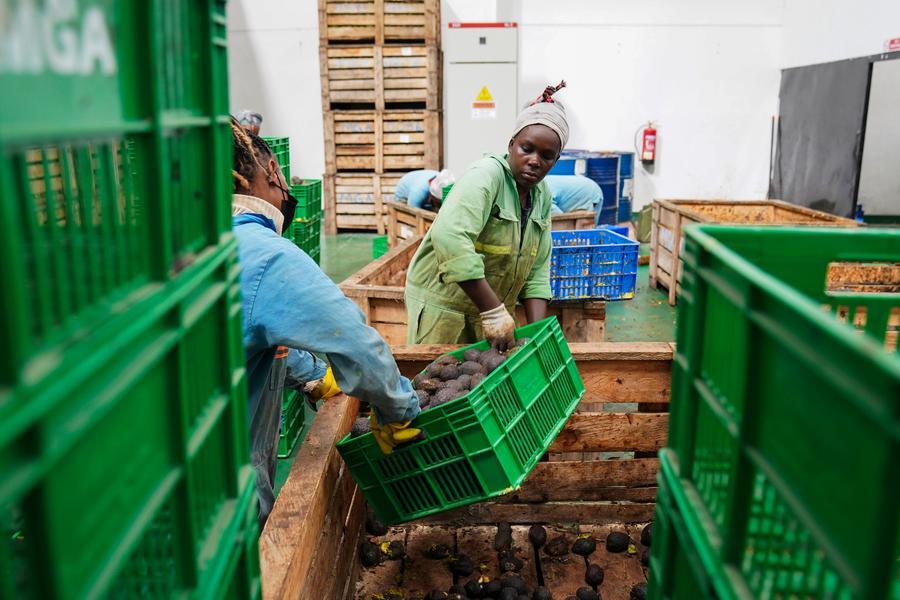
African exporters are beginning to benefit from China’s zero-tariff treatment for 53 African countries, with agricultural and processed products gaining greater access to the Chinese market.
China fully implemented the policy on May 1, 2026, removing tariffs on eligible products from African countries with which it has diplomatic relations.
In May and June, China’s imports from Africa reached 193.8 billion yuan (US$28.72 billion), an increase of 23.5% year on year, according to Chinese customs data reported by Xinhua.
Imports of African avocados rose 130%, while apple imports increased 89.6% and orange imports grew 27.9%.
African Agricultural Products Find New Markets

The policy is opening opportunities for exporters of agricultural and food products across the continent.
Kenyan avocados, South African apples and wine, Zimbabwean blueberries, Rwandan chilies and Ethiopian coffee are among the products gaining greater access to Chinese consumers.
Zimbabwe exported its first shipment of blueberries to China in July, marking a new opportunity for the country’s horticulture industry.
For exporters, lower tariffs can make African products more competitive while creating incentives to invest in production, packaging, certification and cold-chain infrastructure.
Zero Tariffs Could Encourage Local Processing
The benefits extend beyond exporting raw agricultural commodities.
In Rwanda, chili processor Fisher Global exported its first shipment of pickled chili to China in June, moving beyond its traditional trade in dried chili.
Industry experts say the policy could encourage African businesses to process, package and brand more products locally before exporting them.
This could help countries retain more value from commodities such as cocoa, cashews, coffee, fruit and spices, while creating jobs across processing and logistics industries.
China Offers a Growing Market for African Producers
China’s expanding consumer market is creating new opportunities for African agricultural exporters.
Ethiopian coffee companies, for example, are increasing shipments of roasted and processed coffee to China as demand for specialty coffee grows.
African exporters are also investing more in meeting Chinese market requirements, including product quality, packaging, certification and international standards.
China-Africa Trade Enters a New Phase
The zero-tariff policy forms part of a broader expansion of China-Africa economic and trade cooperation.
China is also increasing exports of machinery, equipment and other industrial inputs to Africa. Chinese exports of electromechanical products to Africa reached 534.11 billion yuan (US$79 billion) in the first half of 2026, up 28.8% year on year.
The combination of greater Chinese market access for African products and increased exports of Chinese equipment could support industrialization and agricultural modernization across the continent.
African Exporters Face a Bigger Opportunity
The early trade figures suggest that China’s zero-tariff policy could become an important opportunity for African exporters.
However, experts say long-term benefits will depend on whether African countries use improved market access to expand production, strengthen processing capacity and move higher up global value chains.
For Africa, the opportunity is therefore not simply to export more to China, but to export more processed, higher-value products while creating jobs and retaining a larger share of the economic value on the continent.