


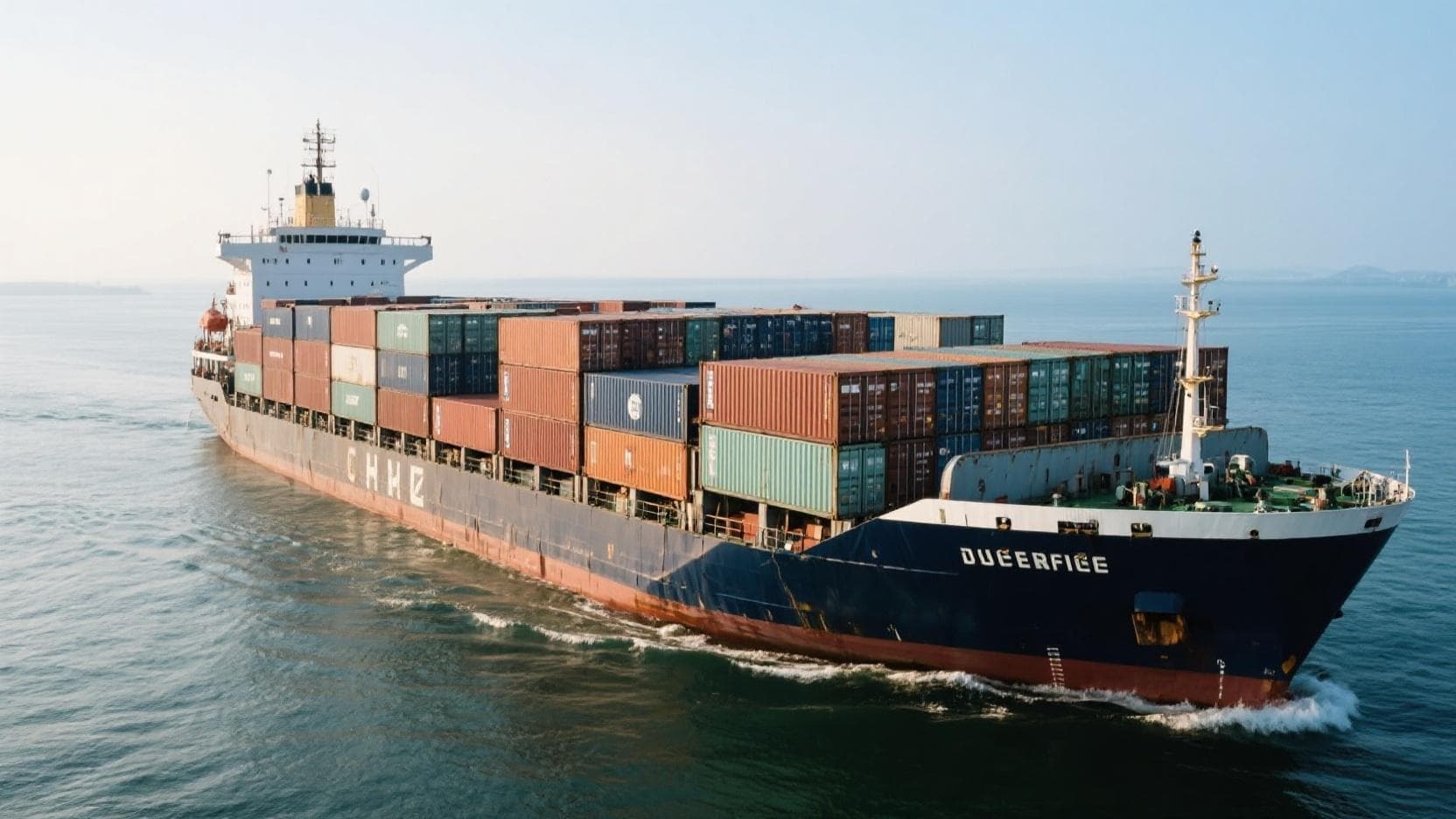
Businesses are increasingly turning to supply chain insurance as geopolitical tensions, trade disruptions and cyber threats expose new vulnerabilities across global commerce, according to new industry research.
Companies involved in international trade are placing greater emphasis on protecting their supply chains as global uncertainty continues to reshape the movement of goods and services. New research from market intelligence firm GlobalData suggests that businesses now view supply chain insurance as one of the most important tools for managing operational risk in an increasingly unpredictable trading environment.
The findings come at a time when exporters, manufacturers and logistics providers are facing mounting challenges ranging from geopolitical conflicts and trade restrictions to cyberattacks and shipping disruptions that have the potential to interrupt global supply networks.
According to GlobalData’s latest industry survey, supply chain insurance emerged as the most sought-after insurance product among business professionals, reflecting growing concern over maintaining operational continuity during periods of global instability.
Business Continuity Takes Centre Stage

Rather than focusing solely on protecting physical assets, businesses are increasingly seeking insurance solutions that minimise operational disruptions and financial losses when supply chains are interrupted.
Industry analysts note that companies are becoming more concerned about indirect risks, including delayed deliveries, disrupted trade routes, supplier failures and production stoppages that can significantly affect revenue and customer relationships.
Cyber insurance also ranked among the fastest-growing areas of demand, highlighting the increasing convergence between digital security and supply chain resilience as businesses rely more heavily on connected logistics systems and digital trade platforms.
Together, these trends illustrate how risk management strategies are evolving beyond traditional asset protection towards safeguarding the continuity of business operations.
Geopolitical Risks Reshape Global Trade
Recent geopolitical developments have significantly altered international shipping patterns and trade flows.
Conflicts affecting key maritime corridors have forced shipping companies to reroute vessels, increasing transport costs and extending delivery times for exporters worldwide. At the same time, changing trade policies, economic sanctions and new tariff regimes have introduced additional uncertainty for businesses operating across international markets.
For African exporters, these developments create both risks and opportunities. While disruptions to traditional shipping routes can increase costs and complicate logistics, the continent also stands to benefit as global companies diversify supply chains and seek alternative sourcing destinations.
Businesses trading across Africa are therefore placing greater importance on supply chain resilience as they adapt to rapidly changing global market conditions.
Insurance Industry Faces New Challenges
Although demand for supply chain protection continues to grow, insurers themselves are facing difficulties in responding to the rapidly evolving risk landscape.
The increasing complexity of geopolitical events has made it more challenging to accurately assess and price risks, prompting some insurers to reduce exposure or withdraw certain products from the market altogether.
Industry experts say insurers are now reviewing policy structures, tightening coverage conditions and introducing more detailed exclusions relating to sanctions, tariffs and political risks.
This cautious approach reflects the growing difficulty of modelling risks that can change rapidly due to political developments, military conflicts or shifting international trade policies.
Technology Improving Risk Assessment
To better manage these emerging risks, insurers are increasingly investing in advanced technologies that provide real-time visibility across global supply chains.
Digital monitoring tools, geospatial tracking systems and advanced analytics are enabling insurers to monitor cargo movements, assess route-specific risks and respond more effectively to changing conditions.
These technologies not only improve underwriting accuracy but also help businesses identify potential disruptions before they escalate into costly operational problems.
As digital risk management capabilities continue to evolve, insurers are expected to develop more sophisticated products tailored to the needs of exporters, manufacturers and logistics providers operating in complex international markets.
Implications for African Trade
For African businesses seeking to expand exports under the African Continental Free Trade Area (AfCFTA) and into international markets, supply chain resilience is becoming an increasingly important competitive advantage.
Reliable logistics, robust risk management and appropriate insurance cover can help exporters navigate disruptions while maintaining customer confidence and protecting revenue streams.
As African trade continues to grow, experts believe businesses that invest in comprehensive supply chain protection will be better positioned to withstand future uncertainty and capitalise on emerging global trade opportunities.
With geopolitical instability showing little sign of easing, supply chain insurance is expected to become an essential component of modern trade strategy, providing businesses with greater confidence to operate in an increasingly interconnected and unpredictable global economy.