


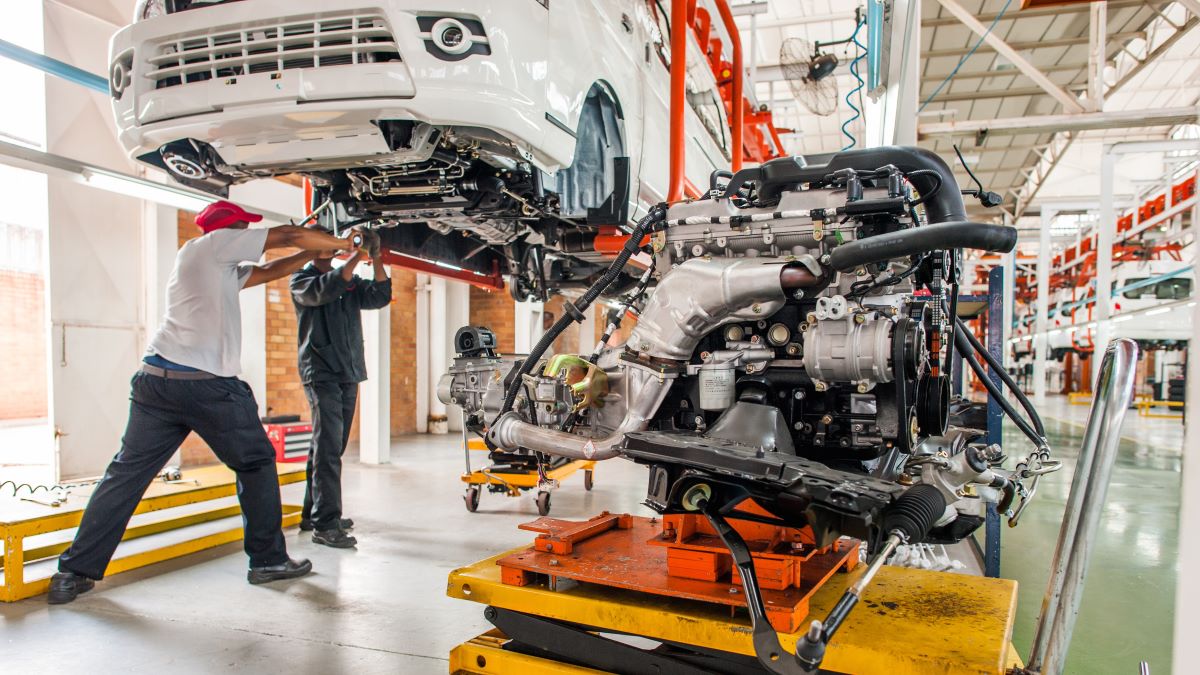
Egypt is positioning itself to become one of Africa’s leading automotive export hubs, with plans to begin exporting locally manufactured and assembled vehicles to international markets before the end of 2026.
The initiative forms part of the country’s broader industrial development strategy aimed at expanding domestic manufacturing, strengthening export competitiveness, and increasing foreign exchange earnings through value-added exports.
Egypt Accelerates Automotive Export Ambitions
The Egyptian government is working closely with local vehicle manufacturers to transform the country into a regional production and export base serving Africa, the Middle East, and selected European markets.
According to local industry reports, Nissan Egypt and General Motors Egypt have already submitted applications to the Ministry of Industry seeking approval to commence vehicle exports. A third automaker is also expected to join the programme, although its identity has not yet been disclosed.

The first phase of the export initiative is expected to see between 10,000 and 30,000 vehicles shipped to international markets. By 2030, annual vehicle exports could reach as many as 100,000 units if production targets are achieved.
Expanding Production Capacity
Egypt’s export drive aligns with its ambition to increase annual vehicle production to more than 400,000 units, with approximately 25% of total output earmarked for export markets.
Government incentives have been introduced to encourage manufacturers to expand local production, improve efficiency, and compete more effectively in global markets.
Industry leaders believe that increasing exports will stimulate investment across the automotive value chain while strengthening Egypt’s manufacturing capabilities.
Local Manufacturing Still Has Room to Grow
Khaled Saad, Secretary-General of the Automotive Manufacturers Association, noted that passenger vehicles assembled in Egypt currently contain approximately 40% locally manufactured components, with the remaining parts imported through global automotive supply chains.
Increasing local content remains a key priority as Egypt seeks to improve the competitiveness of its automotive industry and generate greater economic value from vehicle production.
Greater export volumes are also expected to increase foreign currency earnings while enabling manufacturers to benefit from Egypt’s extensive network of regional and international trade agreements.
Strategic Location Supports Export Growth
Egypt’s geographical position offers significant logistical advantages for vehicle exports. Located at the crossroads of Africa, the Middle East, and Europe, the country is well positioned to serve multiple regional markets through established shipping routes and trade corridors.
Industry stakeholders believe these advantages will help Egyptian-made vehicles compete more effectively in international markets while supporting the country’s long-term industrialisation agenda.
Domestic Market Expected to Remain Stable
Automotive industry representatives have dismissed concerns that increased exports could reduce vehicle availability within Egypt.
Osama Abul-Magd, Chairman of the Automotive Dealers Association, stated that manufacturers intend to export only production volumes that exceed domestic demand.
He added that vehicle prices in the local market are influenced more by exchange rates, import costs, customs duties, taxation, and shipping expenses than by export activity.
Outlook
As Egypt continues to expand its industrial base and attract investment into automotive manufacturing, the country’s vehicle export programme could become one of the most significant developments in Africa’s automotive industry over the coming years.
If production and export targets are achieved, Egypt will strengthen its position alongside the continent’s established automotive manufacturing centres, contributing to regional industrial growth, export diversification, and increased intra-African trade.