


South Africa’s agricultural export sector, a critical pillar of the country’s economy, faces growing uncertainty as escalating tensions in the Middle East threaten to disrupt global trade routes and market access.
According to agricultural economist Wandile Sihlobo, the region plays a strategic role in South Africa’s export landscape, serving as both a major destination for fresh produce and a key transit corridor for goods destined for Europe and Asia. Any prolonged instability could therefore have far-reaching consequences for the country’s agricultural trade performance.
Strategic Markets at Risk
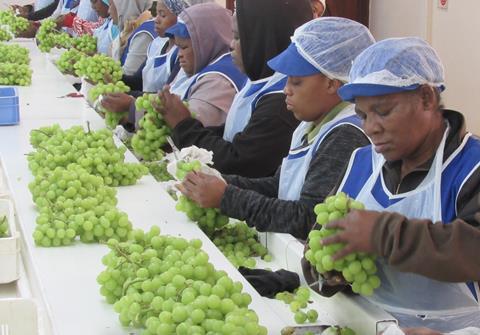
The Middle East has become an increasingly important market for South African agriculture, particularly for high-value products such as citrus, grapes, maize, and processed foods. Countries in the Gulf region, including Saudi Arabia and the United Arab Emirates, rely heavily on imports to meet domestic food demand, making them vital trading partners.
Disruptions caused by geopolitical tensions—whether through port closures, shipping delays, or increased insurance and freight costs—could weaken demand and reduce the competitiveness of South African exports in these markets.

Beyond direct trade, the region also plays a crucial logistical role. Shipping routes passing through the Red Sea and surrounding corridors are essential for global agricultural trade. Any instability in these channels could force vessels to reroute, increasing transit times and costs—factors that are particularly damaging for perishable goods.
Pressure on Logistics and Supply Chains
South Africa’s agricultural sector is already grappling with domestic logistics challenges, including port inefficiencies and infrastructure constraints. External shocks, such as disruptions in Middle Eastern shipping routes, would compound these issues.
Longer shipping times not only increase costs but also affect product quality, especially for fresh produce. Exporters may face reduced shelf life, higher rejection rates in destination markets, and pressure on pricing—all of which could erode profit margins.
This risk is particularly acute for citrus exports, one of South Africa’s top agricultural earners, which depend on reliable cold-chain logistics and timely delivery to maintain quality standards.
Trade Diversification Becomes Critical
The potential fallout from Middle Eastern instability underscores the importance of diversifying export markets. While South Africa has made progress in expanding trade across Africa, Asia, and parts of the BRICS+ bloc, reliance on key corridors and regions remains significant.
Strengthening intra-African trade under frameworks like the African Continental Free Trade Area (AfCFTA) could provide a buffer against global shocks. Similarly, deepening access to Asian markets such as China and India may help offset potential losses in the Middle East.
However, diversification is not a quick fix. Building new trade relationships requires time, regulatory alignment, and sustained investment in market development.
Outlook: Managing Risk in a Volatile Environment
While it is too early to quantify the full impact of Middle Eastern tensions on South Africa’s agricultural exports, the risks are clear. The sector’s strong export performance in recent years has been underpinned by relatively stable global trade conditions—an advantage that may no longer hold.
To safeguard future growth, industry stakeholders and policymakers will need to focus on improving logistics efficiency, strengthening trade diplomacy, and accelerating market diversification.
In an increasingly uncertain global environment, resilience—not just productivity—will determine the long-term success of South Africa’s agricultural export sector.