


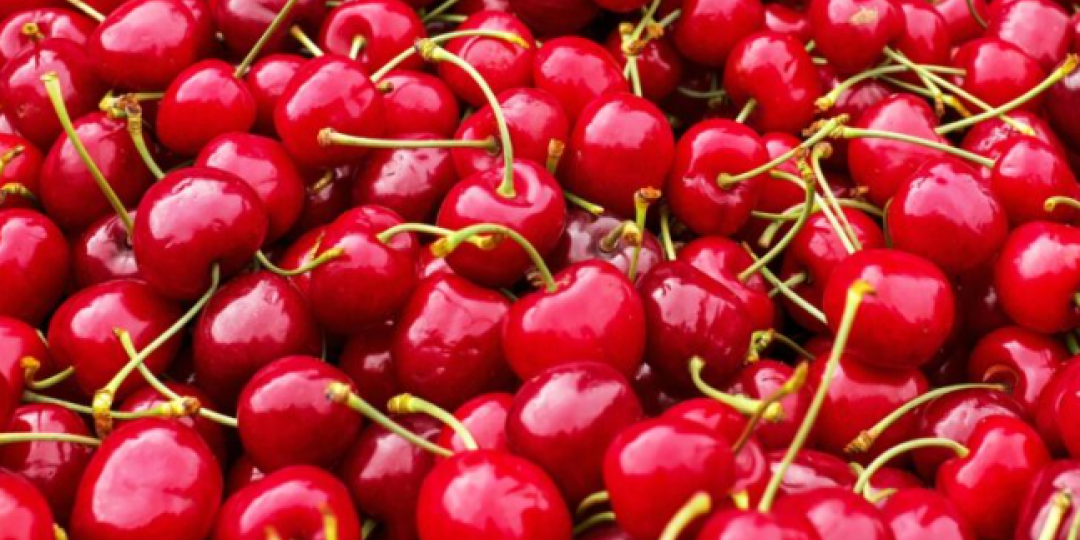
South African cherry producers are preparing to enter China’s lucrative fruit market after Beijing moved to open access to South African cherries, creating new export opportunities as uncertainty over trade relations with the United States encourages agricultural exporters to diversify their markets.
China imports nearly 600,000 metric tonnes of cherries annually, making it the world’s largest international market for the fruit, according to reporting by Reuters. Access to this market could provide South African growers with a significant opportunity to expand sales, attract investment and strengthen the country’s agricultural export earnings.
South Africa accounts for approximately 0.2% of global cherry production, limiting its ability to compete with larger producers on volume. Instead, growers are looking to capitalise on their early harvest season, with shipments typically available in September and October, ahead of Chile’s main export window.
This seasonal advantage could help South African exporters secure premium prices and establish a position in China, although transport costs, cold-chain logistics and consistent fruit quality will be crucial to commercial success.
Growers Prepare to Expand Production

At Ridge Cherry Farms near Rustenburg, producer Gert Eastes is preparing to increase annual output from approximately 600 tonnes to 2,000 tonnes over time.
His immediate ambition is to export 1,000 tonnes of cherries to China during October, potentially making the market an important part of the farm’s growth strategy.
However, the opening of the market does not automatically mean commercial shipments can begin. Chinese authorities must still complete the final phytosanitary approval process, with South African Agriculture Minister Willie Aucamp expecting this to be finalised before the end of 2026.
The approval is an important step because it establishes the plant-health requirements that South African exporters must meet before their fruit can enter China. Growers will need to align production, packing, inspection and shipping arrangements with the requirements of the destination market.
Successful entry could also encourage investment in orchard expansion and export infrastructure as producers seek to meet demand from Chinese buyers.
Trade Uncertainty Strengthens Case for New Markets
South Africa’s push into China comes amid uncertainty surrounding its access to the United States under the African Growth and Opportunity Act (AGOA), which provides qualifying African countries with preferential access to the US market.
President Cyril Ramaphosa has warned that South Africa must prepare for the possibility of losing these trade benefits. Aucamp has also emphasised the importance of developing alternative export destinations rather than relying heavily on a single market.
Agricultural diversification is particularly important for South Africa, which exports approximately $15 billion worth of agricultural products annually, according to agricultural economist Wandile Sihlobo.
China’s agricultural imports are estimated at around $200 billion a year, presenting a substantial potential market for South African producers across several agricultural sectors. Sihlobo has suggested that South Africa’s agricultural export value could increase by at least 20% in the coming years, although this remains an industry assessment rather than a guaranteed outcome.
For cherry growers, the opportunity extends beyond replacing sales that might be affected by changing trade conditions. Establishing a presence in China could help producers reach new consumers, reduce dependence on traditional destinations and improve the resilience of their export businesses.
The development could also influence competition among Southern Hemisphere cherry exporters. South Africa’s early-season availability offers a potential advantage, although established suppliers will remain important competitors.
Ultimately, the success of the China opportunity will depend on final regulatory approval, reliable logistics and the ability of South African growers to deliver consistent volumes of high-quality fruit. If these conditions are met, the market could become an important contributor to the growth and diversification of South Africa’s agricultural exports.