


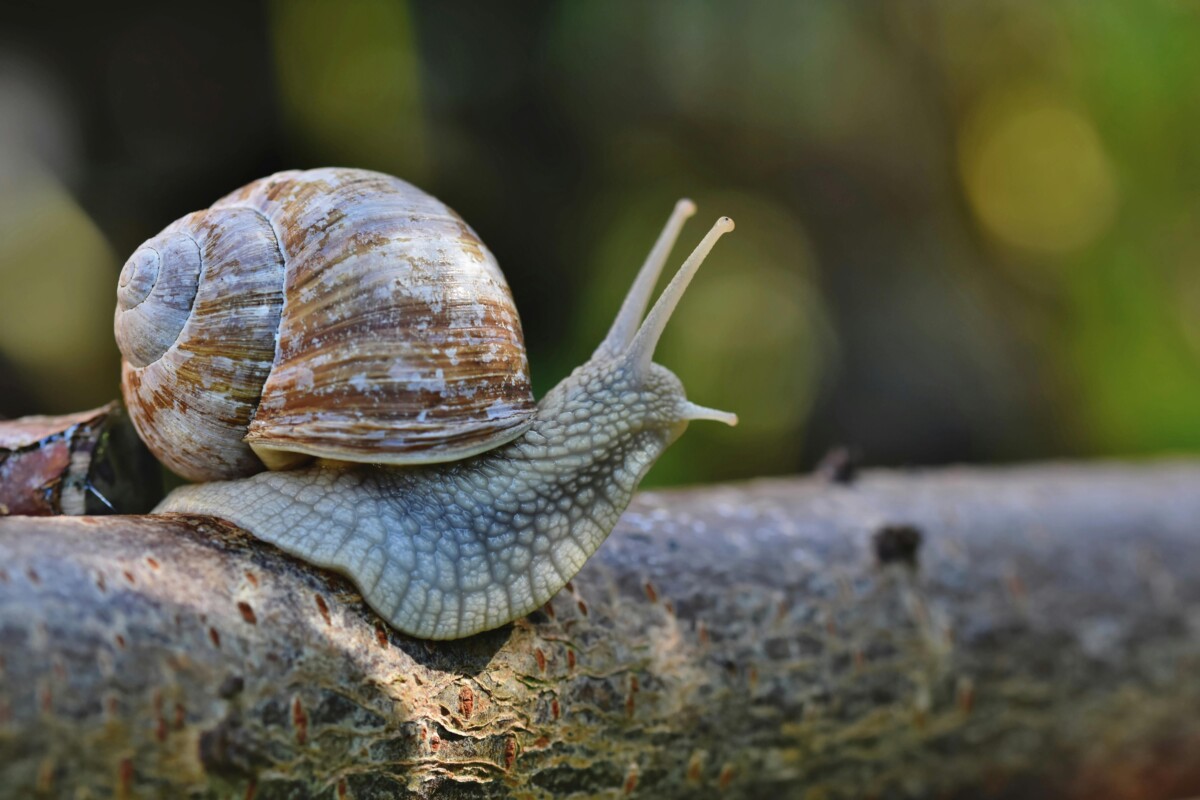
Turning a Pest Into Profit
Saint Vincent and the Grenadines (SVG) is exploring an unconventional agricultural strategy—transforming the invasive Giant African Snail into a viable export commodity.
The initiative forms part of a broader push by the country’s Ministry of Agriculture to strengthen food security while identifying new revenue streams. Instead of proceeding with a costly $7 million eradication programme, authorities are now considering commercialising the pest, following insights gained during engagements in Nigeria.
During the visit, the Minister sampled snail dishes at a high-end restaurant, confirming its status as a premium delicacy in West African cuisine. This experience has sparked interest in exporting processed snails to key consumer markets.
Targeting High-Demand Markets

The proposed model would involve harvesting, processing, and exporting the snails to meet demand in West Africa and among diaspora populations, particularly in the United States.
The Minister noted that the product’s taste is comparable to conch, positioning it as a familiar alternative for Caribbean and international consumers. If successfully implemented, the initiative could convert an environmental challenge into a sustainable agribusiness opportunity.
Expanding Agricultural Production Into Africa
Alongside the snail export concept, SVG is also exploring agricultural expansion into Africa through land-leasing agreements. Discussions with officials from Liberia have opened the possibility of leasing between 200 and 300 acres of land for crop production.
The plan focuses on cultivating niche Caribbean crops—such as arrowroot and specialty varieties like Antigua’s black pineapple—on African soil for global export markets. This approach would allow SVG to scale production while maintaining ownership of planting materials and production systems.
A New Model for South–South Collaboration
The initiative reflects a broader trend toward South–South agricultural cooperation, where countries leverage complementary strengths to enhance production and trade.
Africa’s vast land resources, combined with Caribbean agricultural expertise, present an opportunity to:
- Expand production capacity
- Diversify export portfolios
- Strengthen food systems resilience
At the same time, the snail export proposal highlights how innovation in agriculture can emerge from unexpected sources, particularly when governments rethink traditional approaches to pests and invasive species.
Conclusion
SVG’s dual strategy—exporting Giant African Snails and investing in African farmland—signals a creative shift in agricultural policy. By linking food security with commercial opportunity, the country is positioning itself to tap into new markets while maximising the value of available resources.
If executed effectively, the initiative could serve as a model for other small island economies seeking to innovate within the global agricultural landscape.