


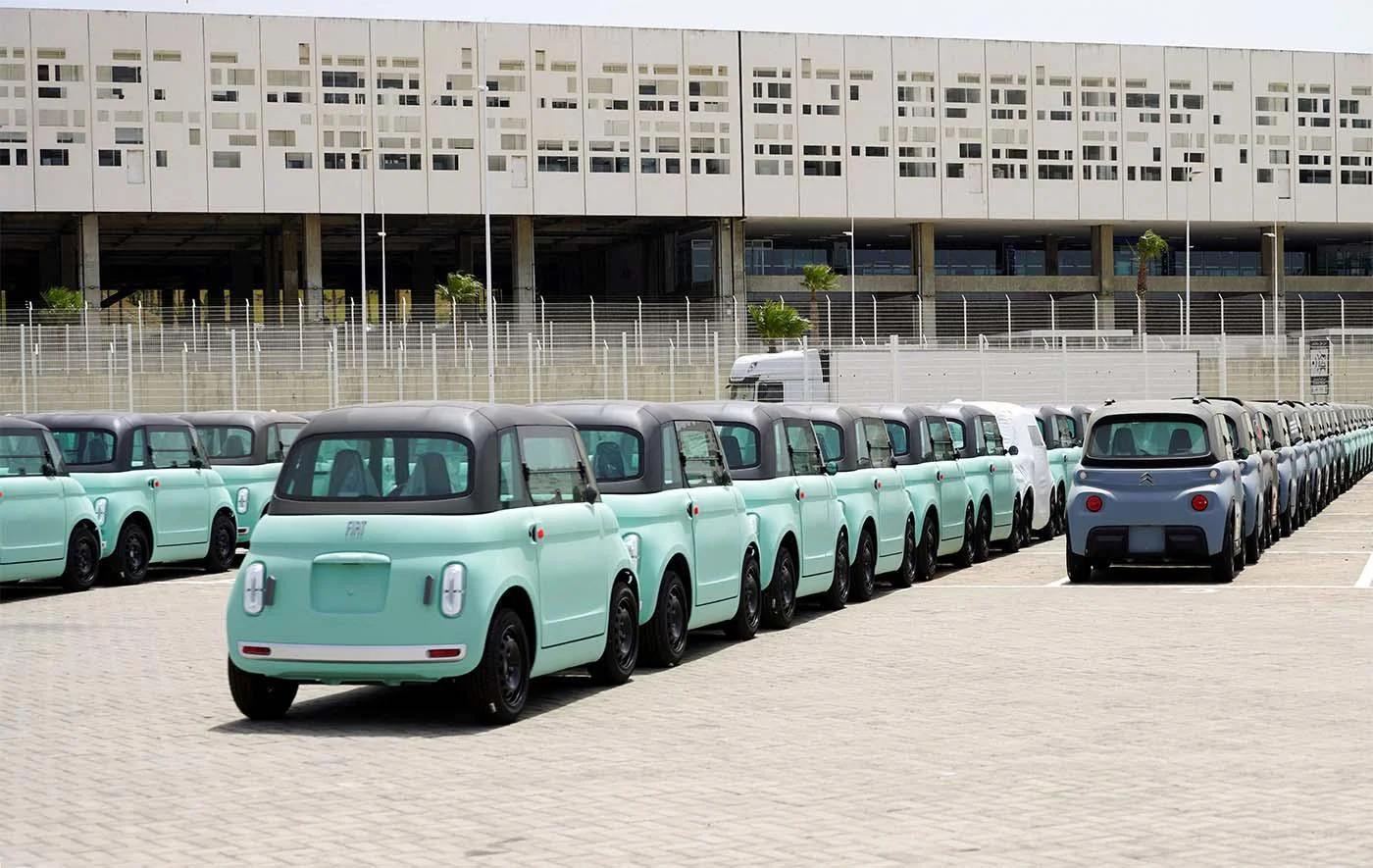
Morocco has emerged as Africa’s top exporter of consumer goods, surpassing traditional economic heavyweights such as South Africa and Nigeria, according to a new report by The African Exponent.
The ranking highlights Morocco’s rapid industrial transformation, driven by strategic investments, global trade agreements, and expanding manufacturing capacity. The country now exports a wide range of value-added products, including automobiles, textiles, electronics, and processed foods.
The report also reflects a broader trend across Africa, where several countries are shifting from raw commodity exports to manufacturing-driven economies. This shift is expected to strengthen economic resilience and create jobs as the African Continental Free Trade Area continues to expand intra-African trade.
Morocco’s Industrial Strategy Drives Export Growth
Morocco’s rise to the top of Africa’s consumer goods export rankings is the result of deliberate industrial policies implemented over the past decade.

The country has developed large industrial clusters, particularly in the automotive sector. Major manufacturing hubs such as Tanger Automotive City host international automakers and suppliers producing vehicles and components for export markets.
According to Morocco’s Office des Changes, the country recorded strong export performance in 2025:
- Automotive exports: 154 billion Moroccan dirhams (about $15.4 billion)
- Phosphates: 100 billion dirhams
- Agricultural products: 87 billion dirhams
- Textiles and apparel: 44 billion dirhams
- Aerospace products: 29 billion dirhams
These figures highlight Morocco’s increasingly diversified export economy, with manufacturing playing a central role.
The country’s geographic location between Europe and Africa, combined with free trade agreements such as the United States–Morocco Free Trade Agreement and its partnership with the European Union, provides Moroccan exporters with strong access to global markets.
In 2024, U.S. goods exports to Morocco reached $5.3 billion, creating a trade surplus of $3.4 billion for the United States.
Top African Countries Exporting Consumer Goods
The African Exponent ranking evaluates countries based on export volumes, industrial output, and product diversity. The list highlights the growing strength of Africa’s manufacturing sector.
- Top African exporters of consumer goods:
- Morocco – Automobiles, textiles, electronics, processed foods
- South Africa – Vehicles, appliances, processed foods, textiles
- Nigeria – Processed foods, household items, chemicals
- Côte d’Ivoire – Edible oils, chocolate, soaps, fortified foods
- Ethiopia – Textiles, apparel, leather goods
- Egypt – Electronics, appliances, textiles, pharmaceuticals
- Kenya – Processed foods, beverages, apparel
- Ghana – Food products, beverages, household goods
- Tunisia – Textiles, appliances, processed foods
The ranking demonstrates Africa’s growing manufacturing renaissance, with countries increasingly producing goods ranging from everyday consumer items to sophisticated electronics.
Morocco’s Economic Outlook
Morocco’s strong export performance places it among Africa’s leading economies. According to data compiled by World’s Top Exports, Morocco ranked fourth among Africa’s largest exporters in 2023, with total exports valued at $42.5 billion.
Long-term projections from the Institute for Security Studies suggest Morocco’s economy could reach $253.4 billion by 2043, maintaining its position as one of Africa’s most influential economies.
The country is also expected to see a gradual formalization of its economy, with the informal sector projected to decline from 30% of GDP today to around 18% by 2043.
A Model for Africa’s Industrial Future
Morocco’s manufacturing-driven export model is increasingly attracting international investors, particularly in automotive, aerospace, renewable energy, and advanced manufacturing.
As Africa expands trade through the AfCFTA and strengthens industrial capacity, Morocco’s experience offers a blueprint for how countries can move beyond raw materials and build competitive manufacturing industries.
The latest ranking underscores a broader transformation taking place across the continent—one where Africa plays a growing role in global consumer goods production and international trade.