


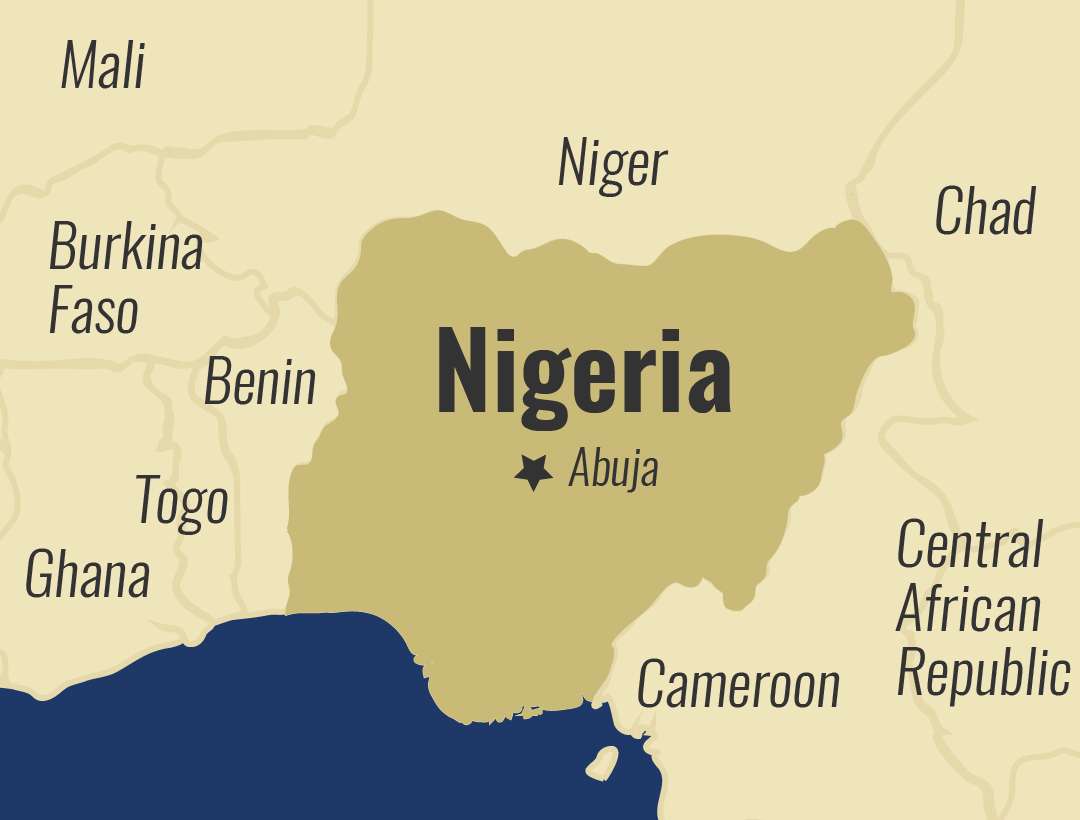
Nigeria is projected to become Africa’s largest contributor to global economic growth in 2026, overtaking South Africa, according to the latest estimates from the International Monetary Fund (IMF).
The IMF forecasts that Nigeria will account for approximately 1.5% of global real GDP growth in 2026, placing it among the world’s top ten contributors and making it the only African economy in that group. The shift signals a gradual rebalancing of Africa’s economic momentum toward faster-growing, reform-driven economies.
A Shift in Africa’s Growth Dynamics
In previous IMF outlooks, South Africa consistently ranked ahead of Nigeria in Africa’s contribution to global growth, supported by its larger and more diversified nominal economy. However, Nigeria’s weaker performance over the past two to three years—driven by currency instability, high inflation, and policy uncertainty—had limited its global impact.
The 2026 projections mark a turnaround, with Nigeria regaining momentum following a series of macroeconomic reforms, while South Africa continues to face structural constraints that are dampening growth.

Nigeria’s Growth Outlook
The IMF projects Nigeria’s real GDP to expand by 4.4% in 2026, easing slightly to 4.1% in 2027. The Fund attributes this outlook to:
- Exchange-rate adjustments
- Removal of fuel subsidies
- Fiscal consolidation efforts
- Expanding domestic demand
These reforms have helped stabilise parts of the economy and improve medium-term growth prospects. However, the IMF cautions that key domestic pressures remain, including elevated inflation, exchange-rate volatility, weak real wage growth, and constrained household purchasing power.
While Nigeria’s projected contribution to global growth represents progress, the IMF stresses that the outlook is conditional and subject to revision, rather than a definitive endorsement of policy success.
South Africa’s Growth Constraints
South Africa is forecast to grow by 1.4% in 2026 and 1.5% in 2027, a pace that significantly limits its contribution to global expansion despite the country’s larger economic base.
Growth remains constrained by:
- Chronic power shortages
- Logistics and port bottlenecks
- Weak private-sector investment
- High unemployment
Persistent underinvestment in Eskom (power) and Transnet (logistics), alongside trade frictions and tariff-related uncertainty with key partners such as the United States, continue to weigh on manufacturing and mining output.
As a more mature economy, South Africa’s modest growth translates into a smaller marginal contribution to global GDP growth compared to Nigeria’s faster expansion.
Market and Global Reaction
The projections have attracted attention beyond policy circles. Elon Musk shared the IMF data on X, commenting that “the balance of power is changing”—a remark widely interpreted as reflecting a broader global shift in economic momentum toward emerging markets.
What It Means for Africa
Nigeria’s rise as Africa’s leading contributor to global growth underscores the continent’s increasing internal divergence. Faster-growing economies driven by demographic expansion and reform momentum are beginning to outweigh slower-growing but structurally constrained peers.
For investors and policymakers, the outlook reinforces the importance of macroeconomic reform, infrastructure investment, and trade competitiveness in shaping Africa’s future role in the global economy.
As 2026 approaches, the key question is whether Nigeria can sustain reform momentum and translate headline growth into jobs, productivity gains, and trade expansion—while South Africa confronts the structural reforms needed to regain economic traction.