


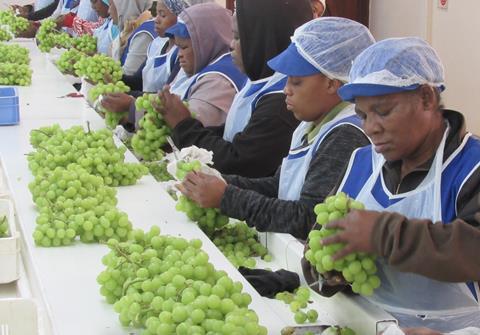
With the original deadline for new US tariffs now expired, South Africa’s government appears to be pivoting inward—prioritizing domestic support over efforts to halt the looming trade penalties. This shift leaves the citrus industry, along with the upcoming stonefruit and grape seasons, exposed to serious market instability.
A Brief Reprieve, But Little Optimism
Although the deadline for the imposition of 30% tariffs on South African fresh produce exports to the United States has technically passed, reports suggest a short extension of seven days has been granted for South Africa to present a revised proposal. However, industry insiders remain skeptical that any meaningful change will occur within such a narrow window. The consensus is that the elevated tariffs are now inevitable.
Scrambling to Ship Before the Cutoff
Exporters are racing to dispatch fruit already packed but not shipped before the end of July. Plans are underway to send another conventional vessel to clear remaining stock, ensuring it arrives in US ports under the previous tariff regime.
Domestic Turmoil and Global Trade Pressures

South Africa finds itself under dual pressure: externally from the US trade measures—often referred to as the “Trump tariffs”—and internally from a major police scandal that has shaken the government. These domestic challenges appear to be taking precedence, with officials now redirecting efforts toward supporting affected industries rather than contesting the tariffs.signaling a shift in strategy. The government has pledged to help sectors hit hardest by the trade changes, including agriculture and automotive manufacturing.
New Season, New Challenges
As early stonefruit orchards begin to blossom and grape vineyards enter bloom, time is running out to secure alternative markets. Industry representatives have warned that under the new tariff structure, exporting to the US will no longer be viable.
Shifting Alliances and Public Sentiment
The tariffs are not only impacting trade—they’re also influencing public opinion. Sentiment in South Africa is hardening against the US, and there’s growing interest in strengthening ties with BRICS nations and European partners.
All citrus shipped by 31 July will still be processed under the previous tariff rates, but the future remains uncertain. Exporters and their US counterparts must now navigate a new landscape, where uneven tariff rates could give South American competitors an edge.
Bureaucratic Complexity Ahead
South African sources have also pointed out the administrative burden the US will face in managing a patchwork of global tariffs. The complexity of enforcing varied rates across different countries could become a logistical headache for American authorities.